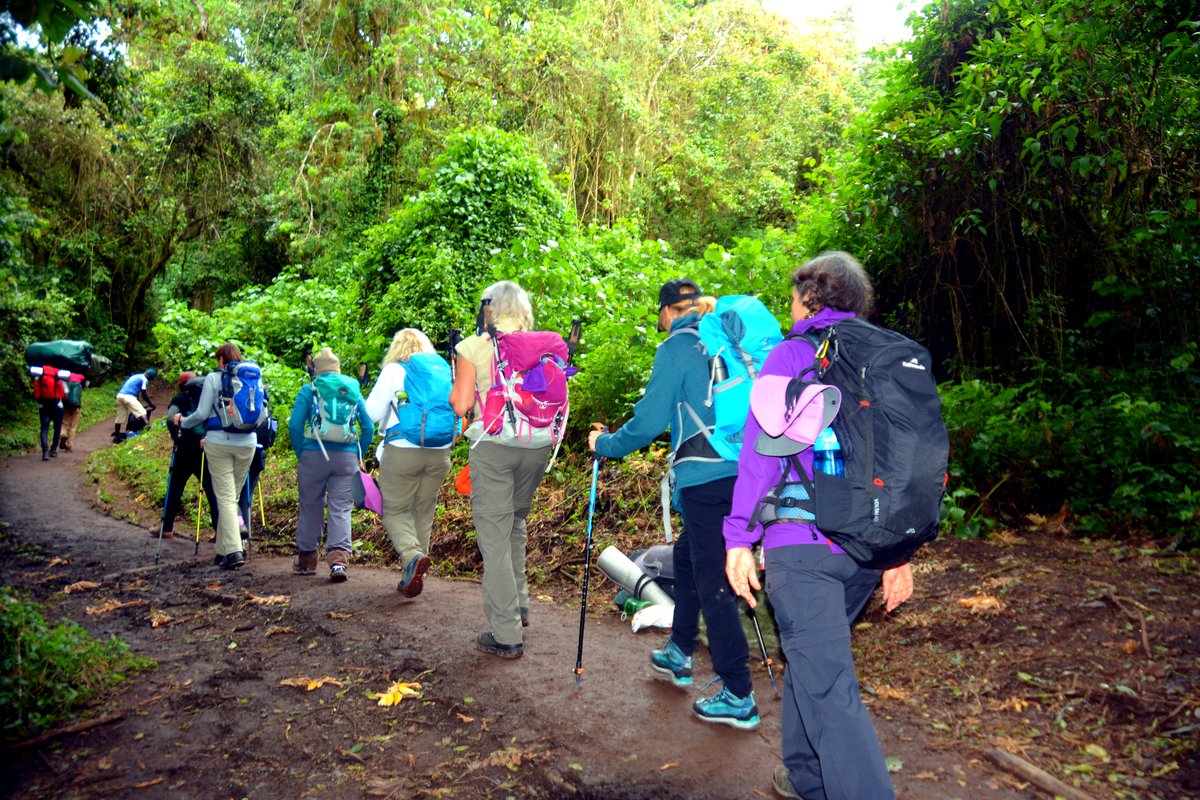
Lemosho
The best-balanced route on the mountain: a long, gradual western approach with the acclimatisation profile most first-time climber...
- Acclimatisation
- Excellent
- Trail traffic
- Moderate
- Sleeping
- Camping
- Approach
- West side
Tanzania · 5,895 m
Everything that decides whether you stand on the summit — and almost none of it is fitness.
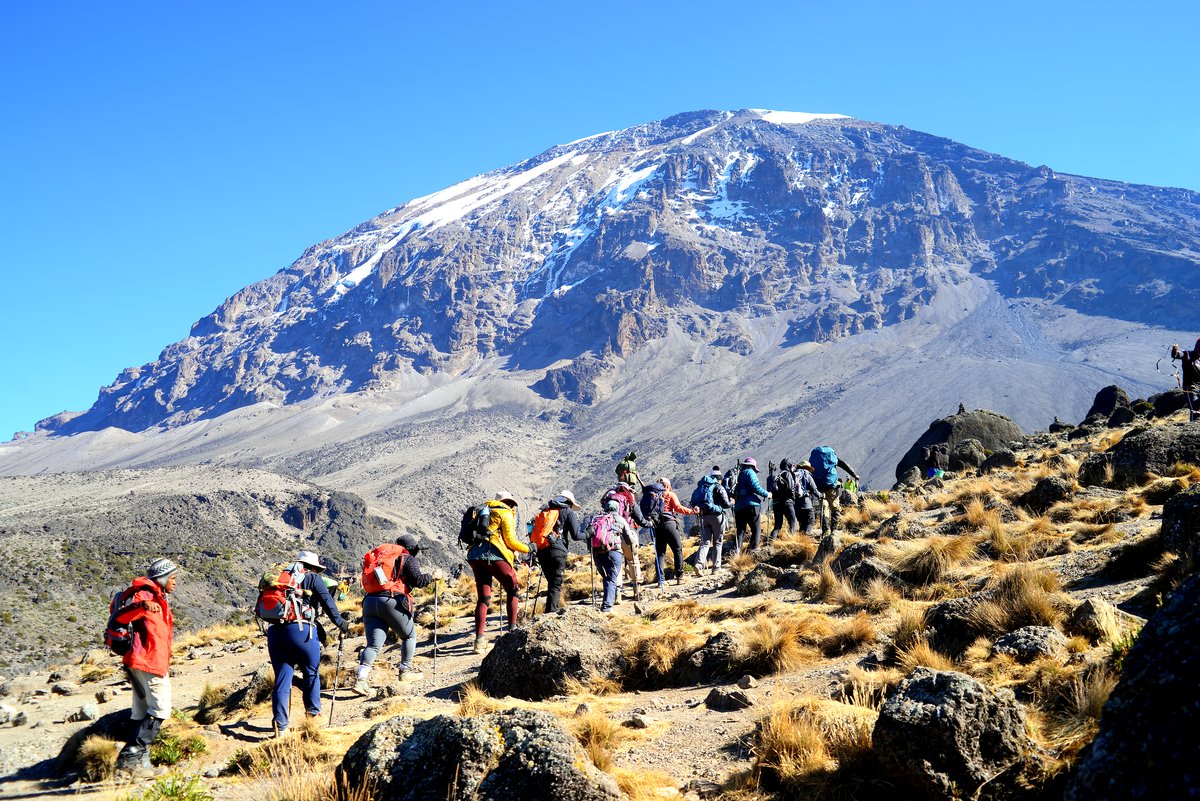
Kilimanjaro is the highest free-standing mountain in the world and the only one of the seven summits most people could walk up without a rope. That combination is exactly why it is so often underestimated.
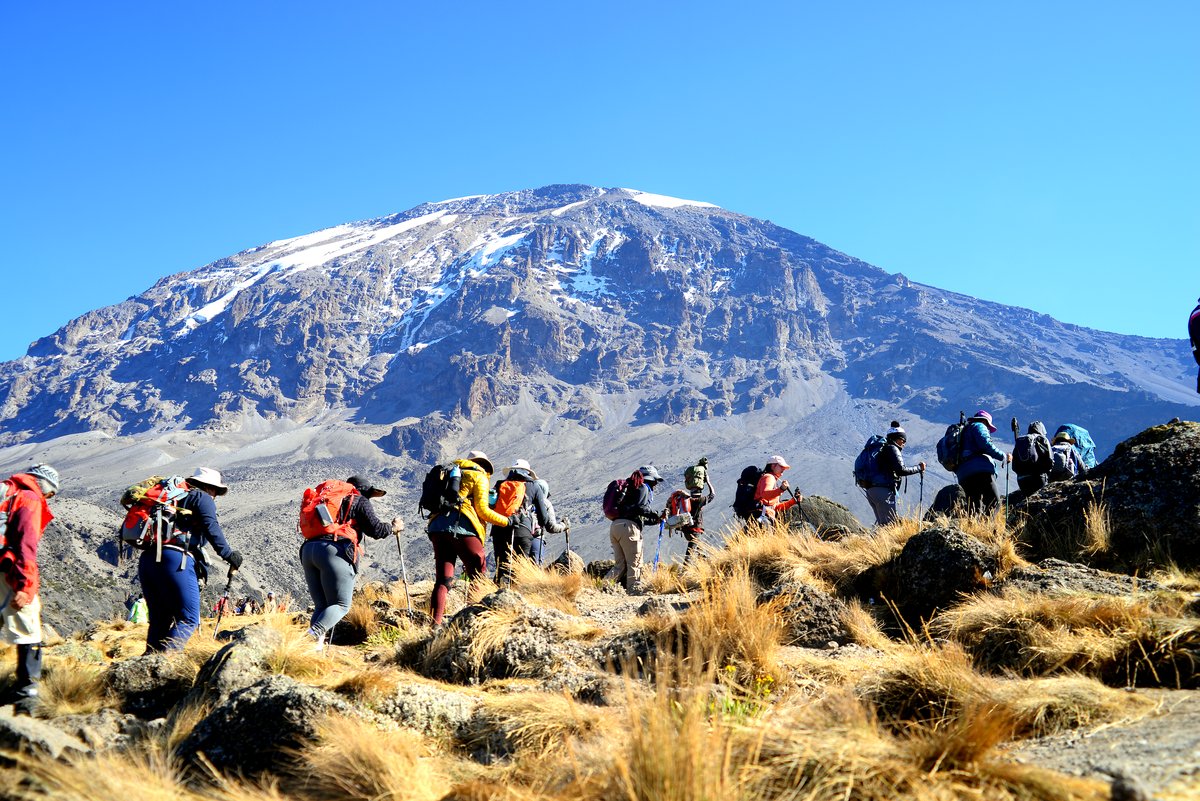
There is no technical climbing on any of the standard routes. What there is: six to nine consecutive days of walking, one very long night, and air that thins until each breath at the summit carries a little under half the oxygen of the same breath at sea level.
Almost everything worth knowing about planning a climb follows from that last fact — so this guide is organised around it rather than around our itineraries.
Walking up Kilimanjaro is roughly equivalent to walking from the equator to the arctic. It is why the packing list looks excessive and why it is not.
Your body adapts to altitude overnight, at the height you sleep at. Not the height you walked to during the day, and not how fit you are. That is why a route that touches 4,630 m at lunchtime and descends 670 m to camp is doing something genuinely useful, and why an extra night below 4,000 m is worth more than any amount of training.
| Day | Location | Altitude (m) | Distance (km) | Overnight |
|---|---|---|---|---|
| 1 | Londorossi Gate | 2,100 | 0 | No |
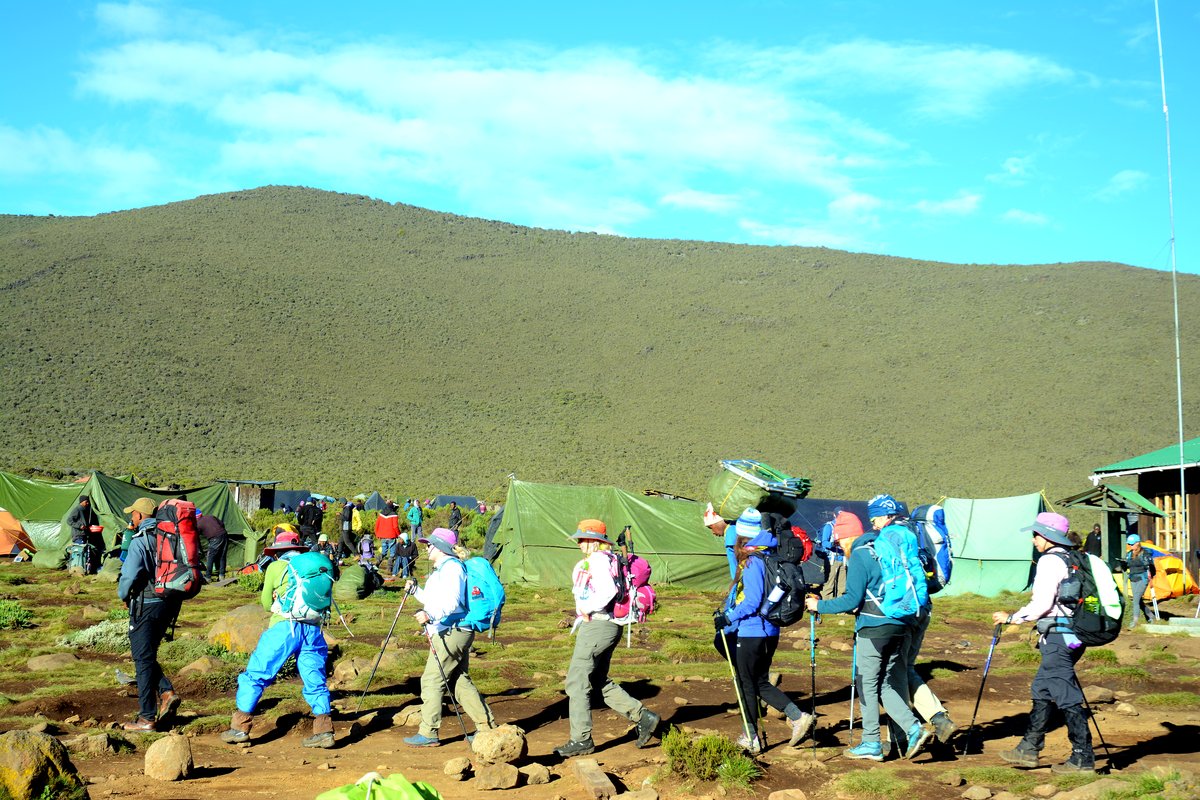
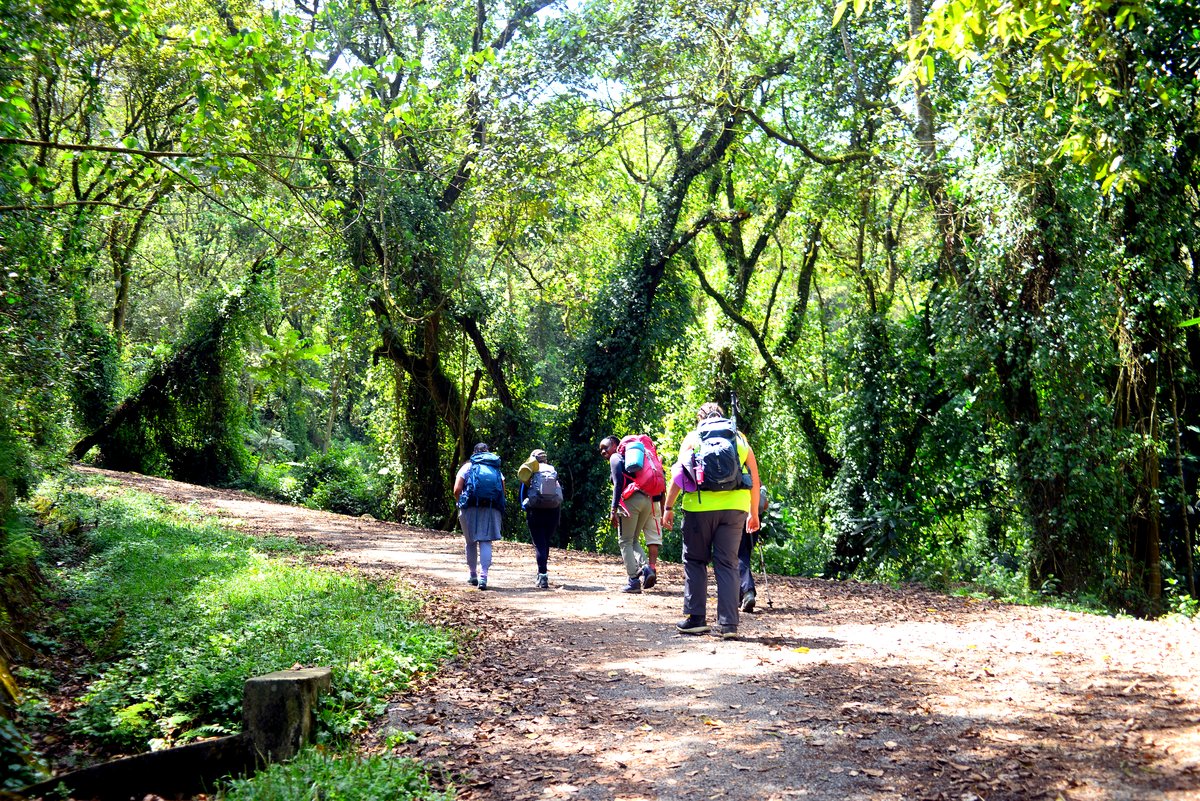
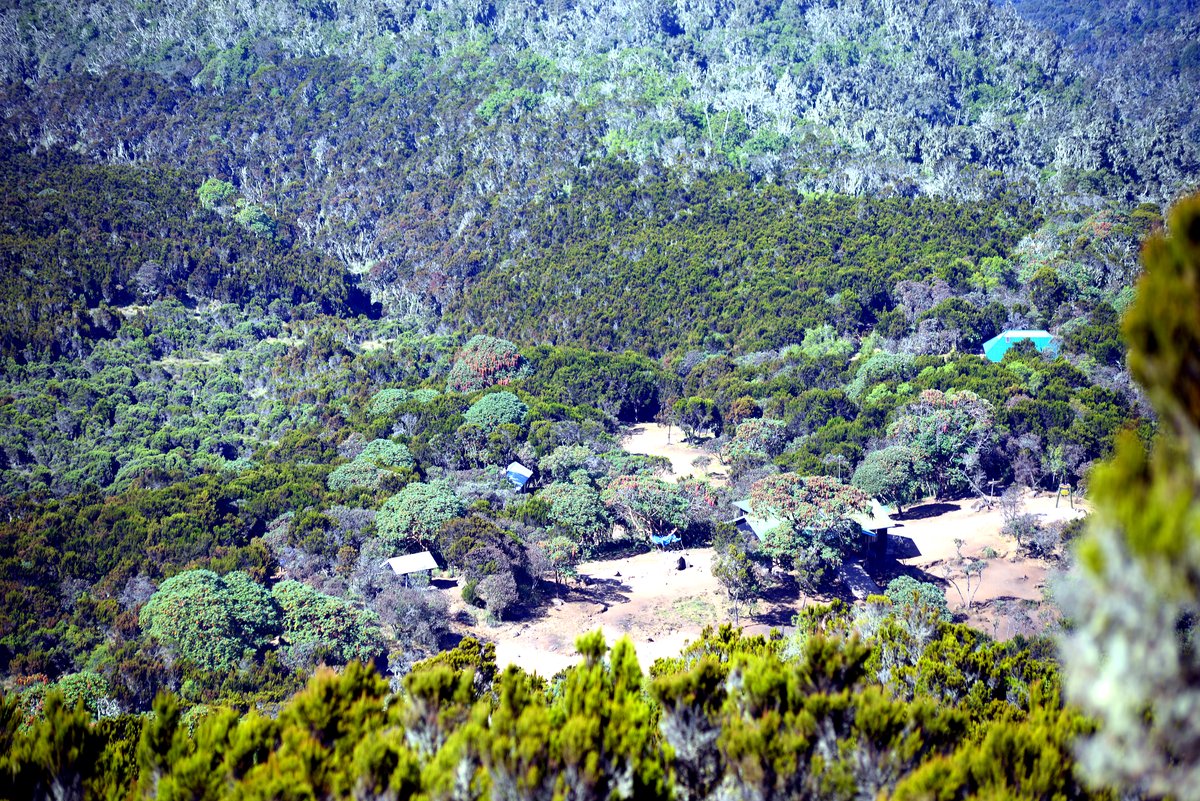
| 1 | Mti Mkubwa Camp | 2,650 | 6 | Yes |
| 2 | Shira 1 Camp | 3,610 | 14 | Yes |
| 3 | Shira 2 Camp | 3,850 | 21 | Yes |
| 4 | Barranco Camp | 3,900 | 31 | Yes |
| 5 | Karanga Camp | 3,995 | 36 | Yes |
| 6 | Barafu Camp | 4,673 | 40 | Yes |
| 7 | Uhuru Peak | 5,895 | 48.5 | No |
| 7 | Mweka Camp | 3,100 | 57 | Yes |
| 8 | Mweka Gate | 1,640 | 67 | No |
7 established routes, all finishing at the same summit. They differ in length, gradient, scenery, how many people you meet, and — decisively — how gradually they gain sleeping altitude.
The best-balanced route on the mountain: a long, gradual western approach with the acclimatisation profile most first-time climber...
The most popular route on Kilimanjaro, and deservedly so — but popular means busy, and six days is short for the altitude it cover...
Lemosho’s older sibling, and the reason Lemosho exists. It drives you to roughly 3,400 m and starts you there, which suits climber...
The longest route on Kilimanjaro and the strongest acclimatisation profile available. If you have nine days, this is the most cons...
The only approach from the north, the driest option in the wetter months, and consistently the quietest of the mainstream routes.
The only route with hut accommodation, and the only one that ascends and descends the same path. Choose it for the huts, not for t...
The steepest and most direct line on the mountain. Genuinely demanding, poorly suited to acclimatisation, and not a route we would...
Before you book
Before you arrive
Safety
On the mountain
After your climb