
Year round
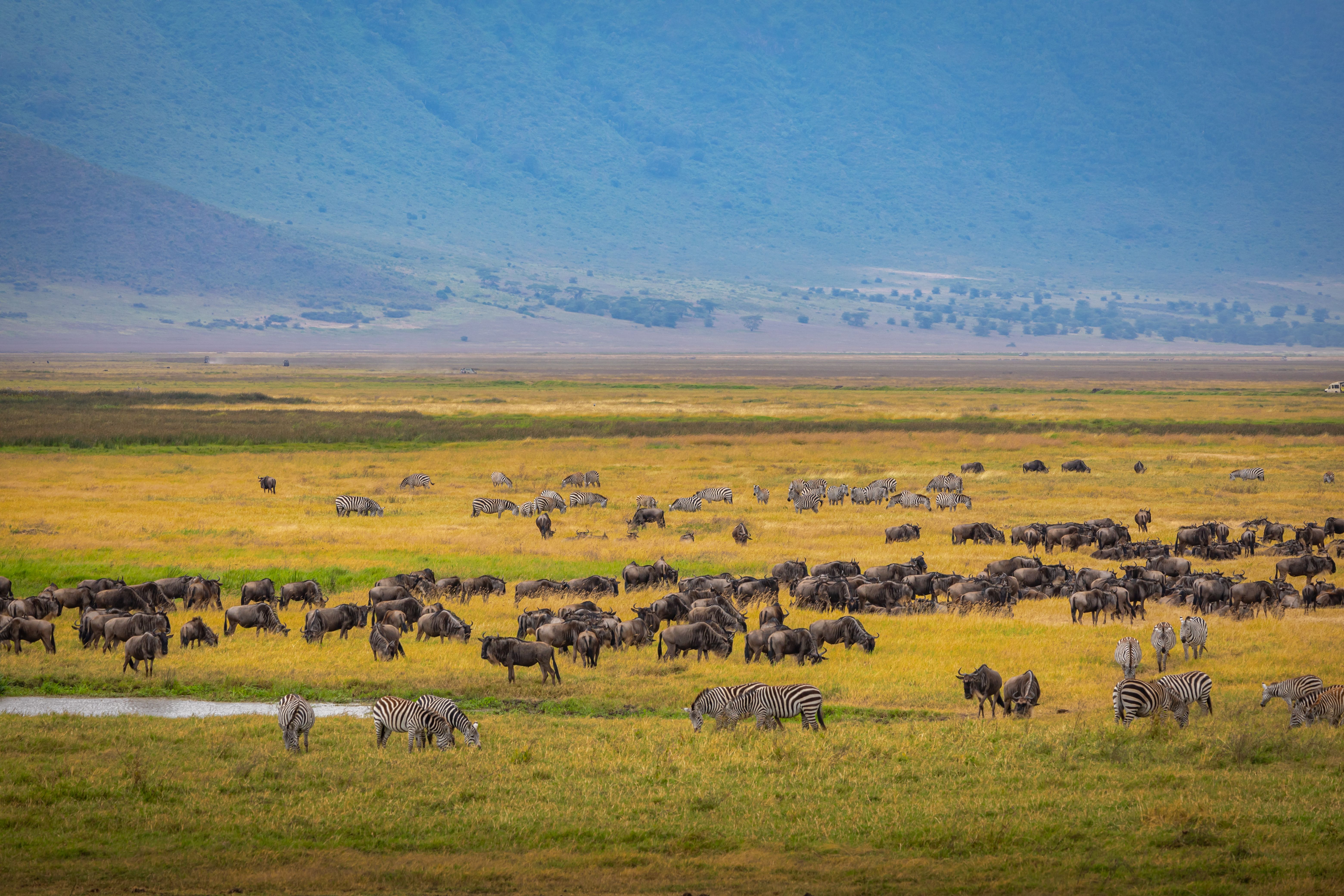
Crater floor
Grassland, the Lerai forest, swamps and the soda lake. Where almost all the game viewing happens, on a set route that vehicles share.
Tanzania safari
A collapsed volcano about twenty kilometres across, with animals living on its floor all year.
A whole ecosystem inside the walls of one volcano, and you can see most of it in a day.
The crater floor is a closed world of grassland, swamp, forest and a soda lake, ringed by a wall several hundred metres high. Most animals live there all year, which makes it one of the most dependable game-viewing days in Africa.
Where to stay
The crater is the reason to come, but it sits inside a far larger conservation area where people and cattle share the land with wildlife.
Year round
Grassland, the Lerai forest, swamps and the soda lake. Where almost all the game viewing happens, on a set route that vehicles share.
Year round
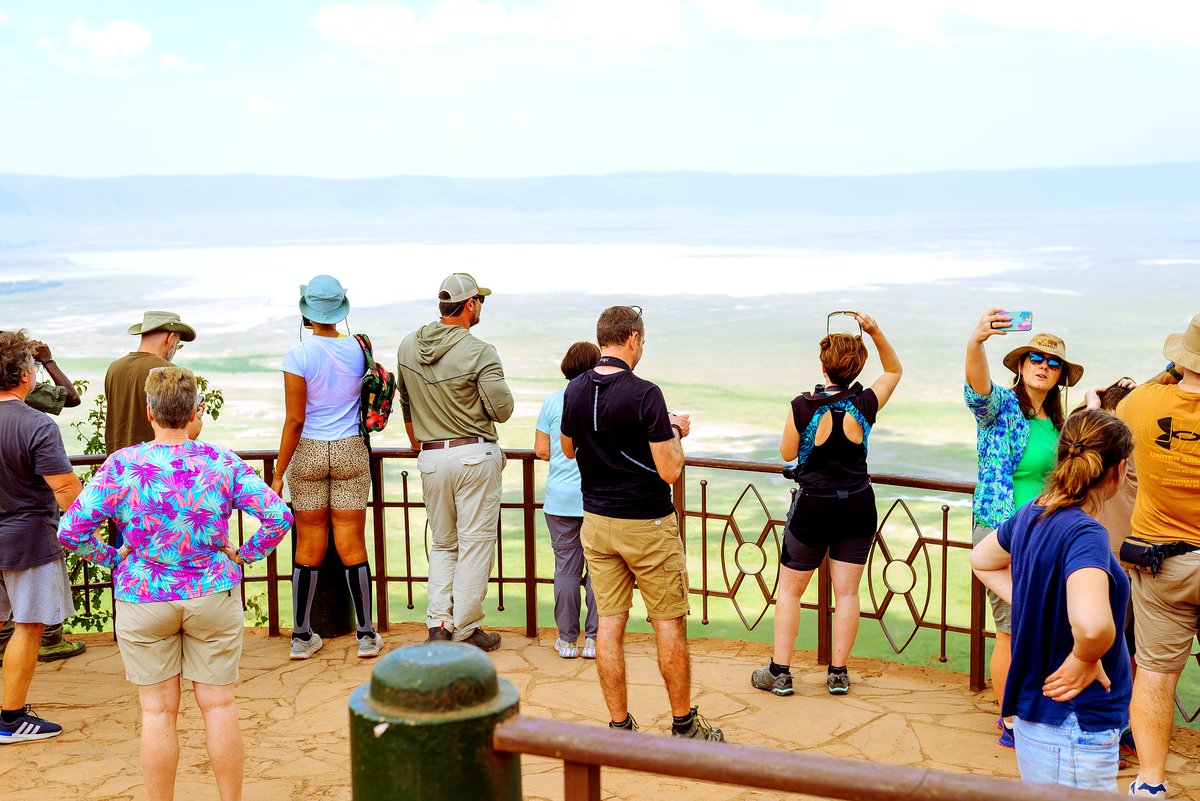
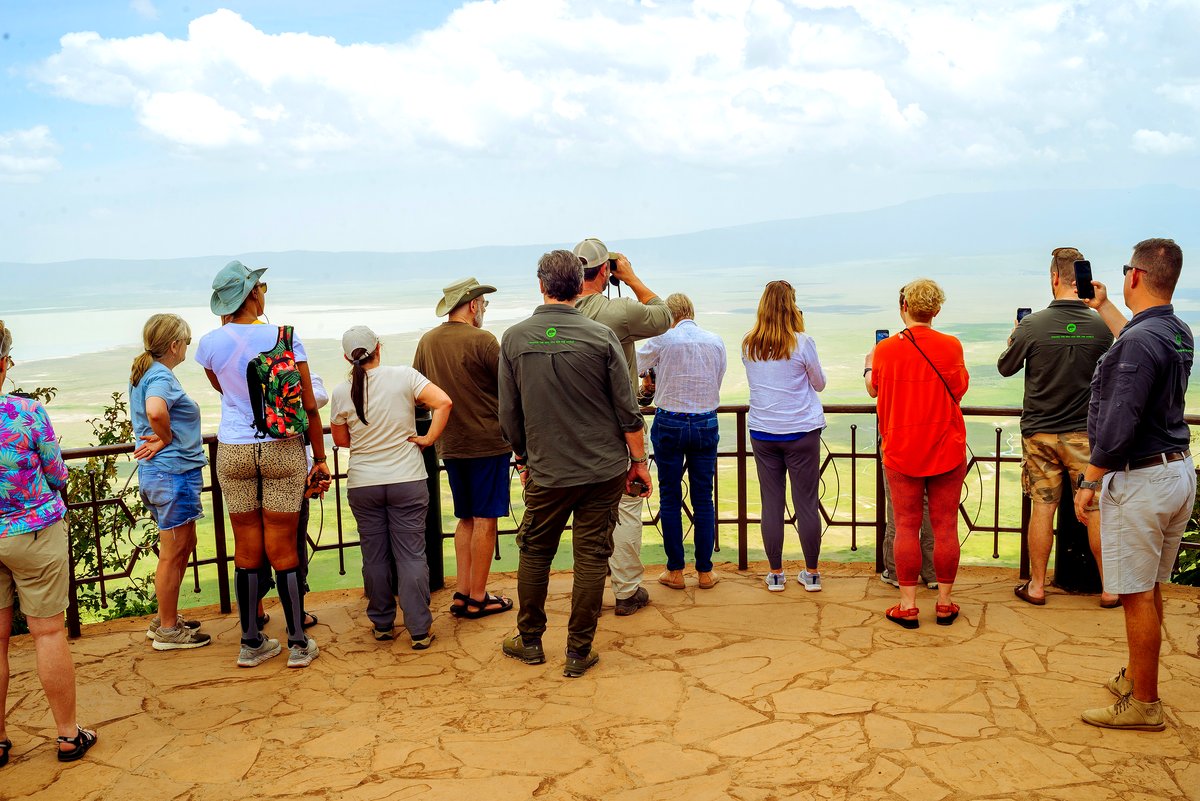
Forested and often misty, high above the floor. The viewpoints here give the first sight of the whole crater, and it is noticeably colder than below.
Year round
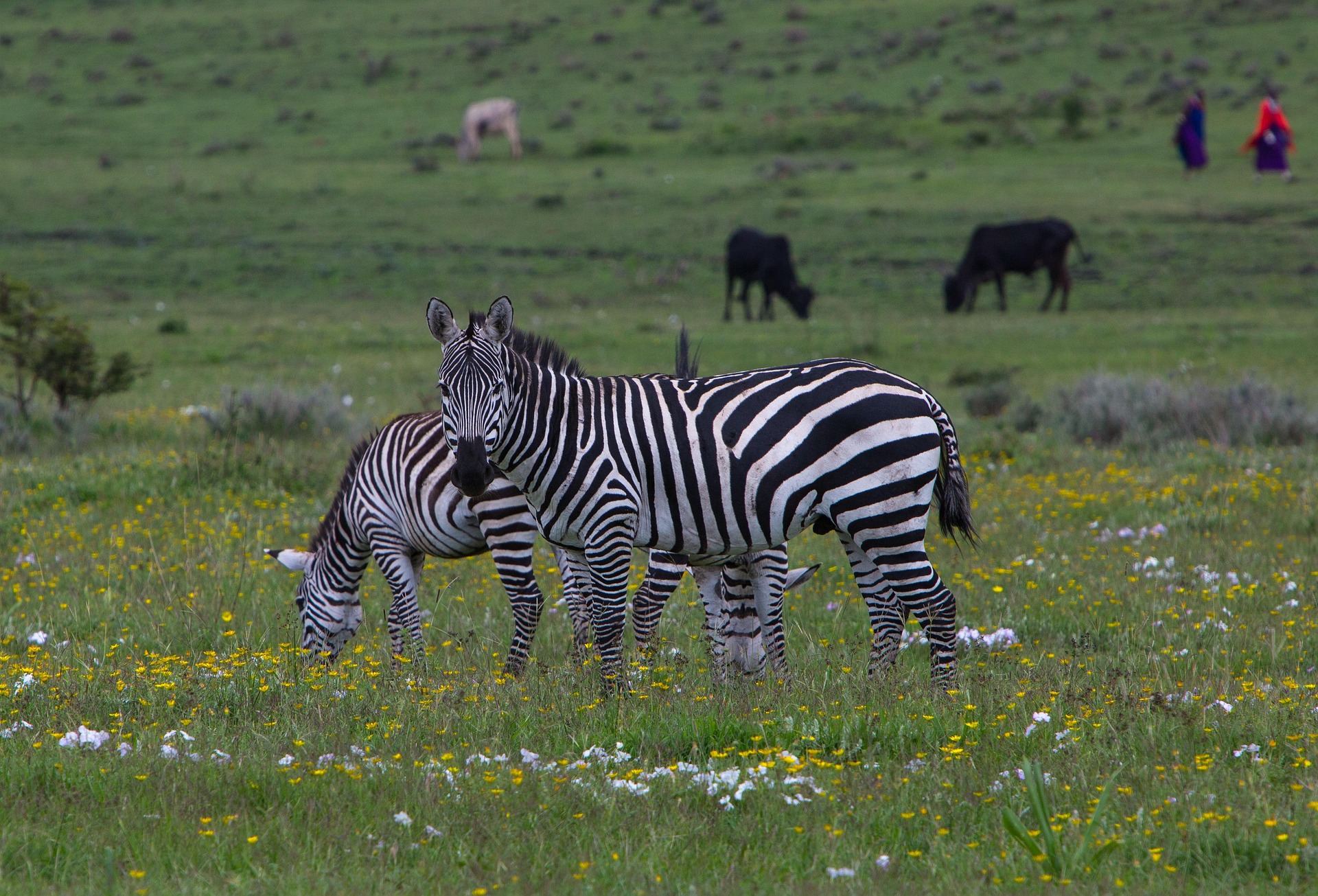
Rolling country beyond the rim where Maasai communities graze cattle alongside wildlife — the conservation area is not a national park, and that is the point.
Best Dec–Mar
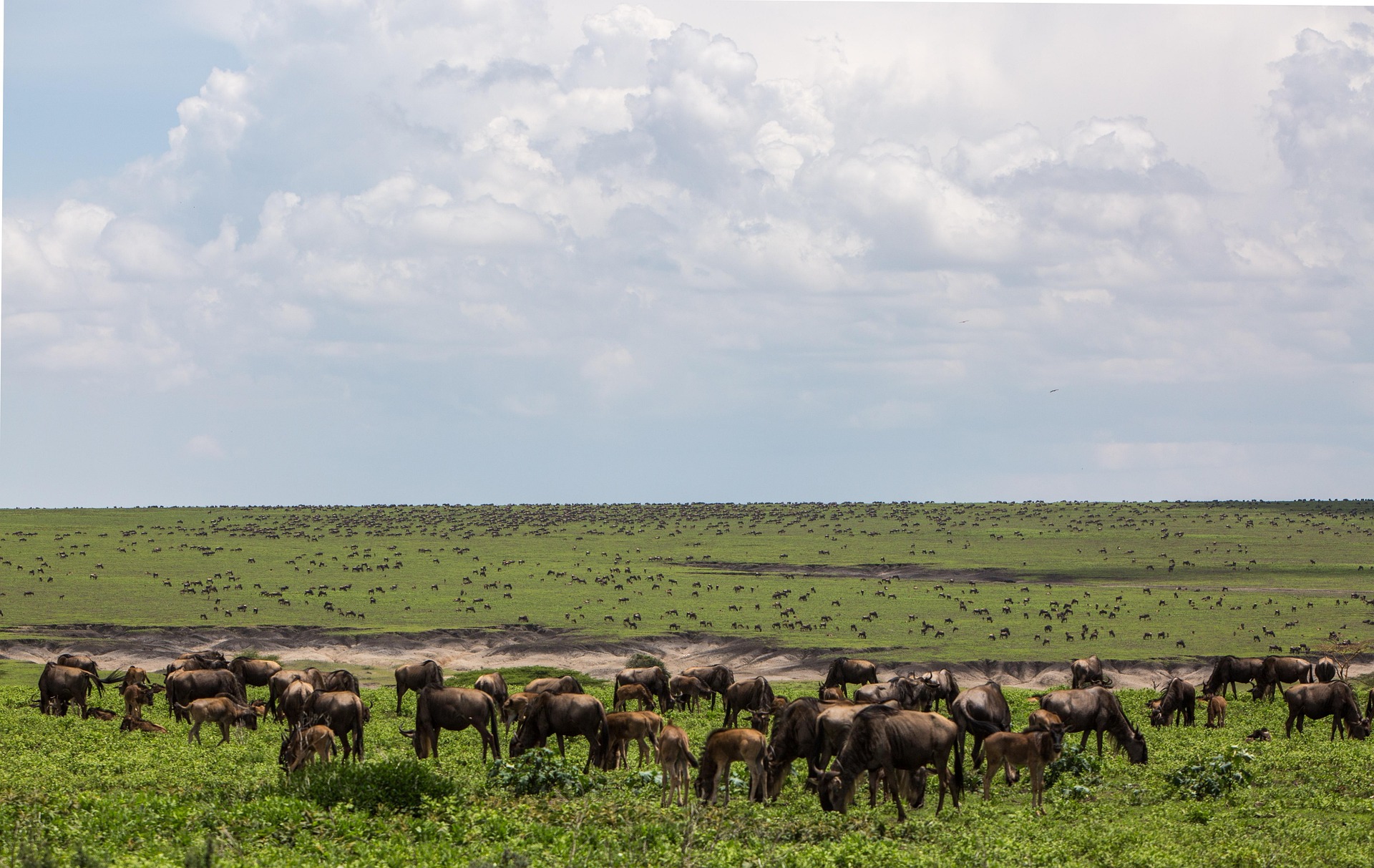
Towards the Serengeti: the Olduvai Gorge, known for early human fossils, and short-grass plains where the herds usually calve early in the year.
Experiences
The main event: down the wall in the early morning, a day on the floor, and back up before the gates close. Bring layers — the rim is cold.
The conservation area is lived in. Visits to Maasai communities are possible; ask us, and we will tell you plainly what a visit involves.
A short detour on the road towards the Serengeti, with a small museum at the site of some of the best-known early human finds.
Density. So many animals in so contained a space that a single day often shows more than several days elsewhere.
It sits on the road between Arusha and the Serengeti, so it fits naturally on the way in or out — even on a short safari.
It is popular, and every vehicle shares the same roads on the floor. An early start is the single best way to see it quietly.
When to go
The animals on the crater floor do not migrate, so there is no bad month for game. What changes is the weather, the greenery and how busy it is.
January
A drier break between the rains. The floor is green, and calving on the nearby plains brings the herds close.
February
Often the peak of calving on the plains beyond the rim. Warm days and good light.
March
The long rains usually begin. Quieter, very green, and the descent road can be slippery.
April
Typically the wettest month. Fewest visitors, heavy showers, and mist on the rim.
May
The rains usually ease late in the month. Still quiet, with the floor at its greenest.
June
The dry season begins. Cold mornings on the rim; clear, easy game viewing below.
July
Dry and busy. Nights on the rim can be close to freezing, so pack warm layers.
August
The busiest month. Start early to reach the floor before most vehicles.
September
Still dry, slightly warmer, and a little quieter than August.
October
Dusty and warm, with animals gathered near the swamps and springs.
November
Afternoon showers return and the grass greens quickly.
December
Showers that rarely last all day, and the herds usually arriving on the plains nearby.
Wildlife
No guide can promise a sighting. These are the animals the park is best known for.
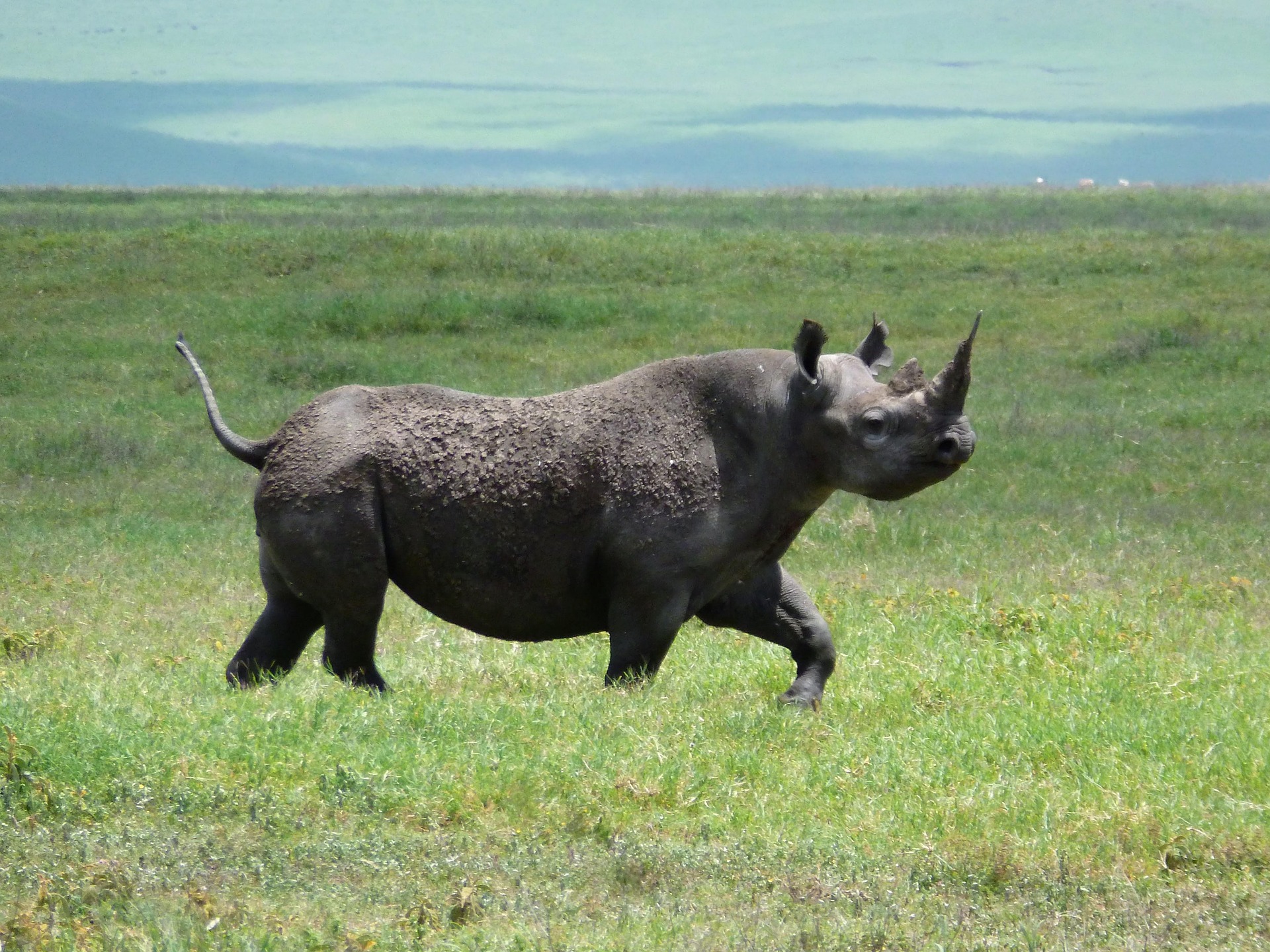
A small population on the floor; sightings are not guaranteed
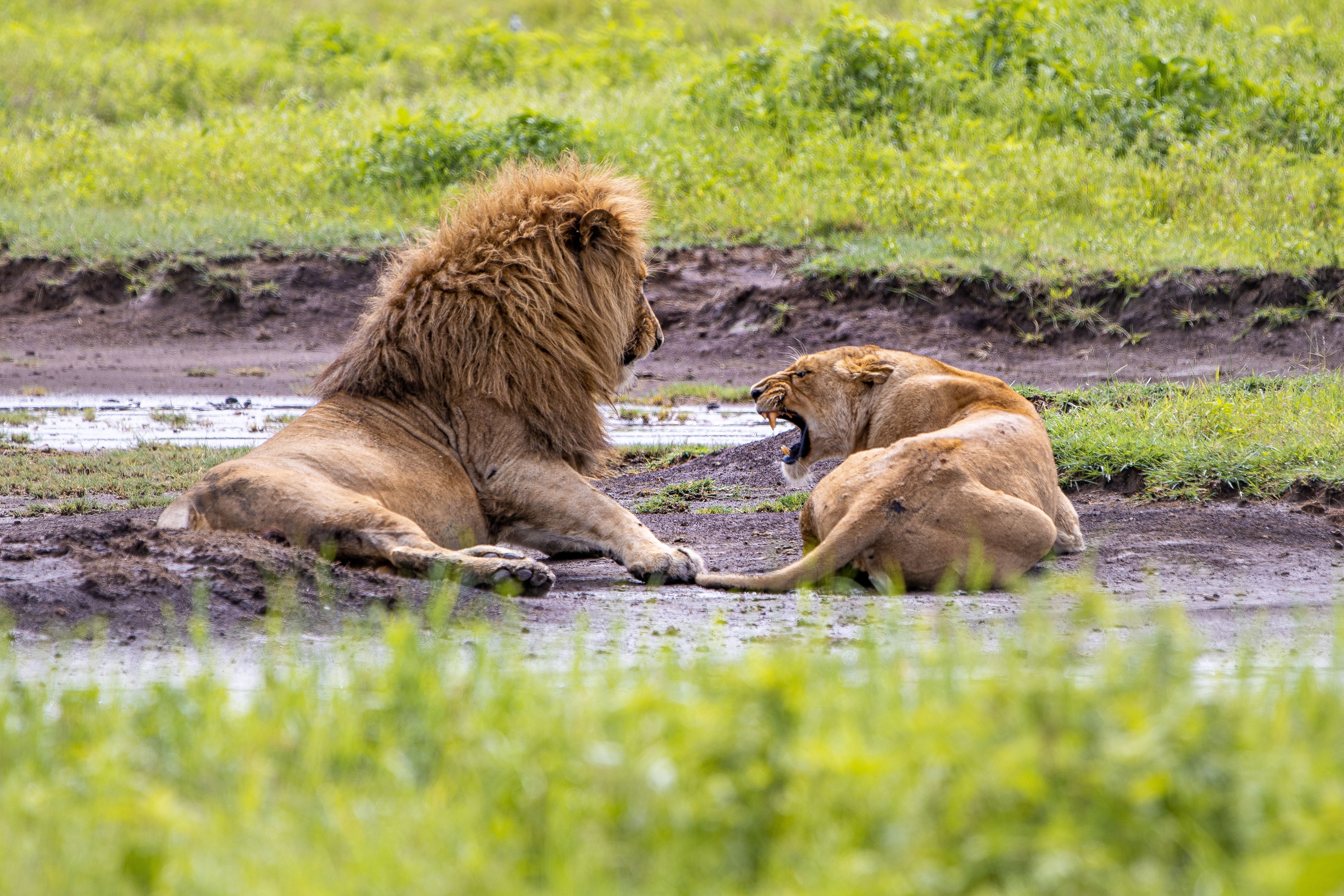
Resident prides on the floor
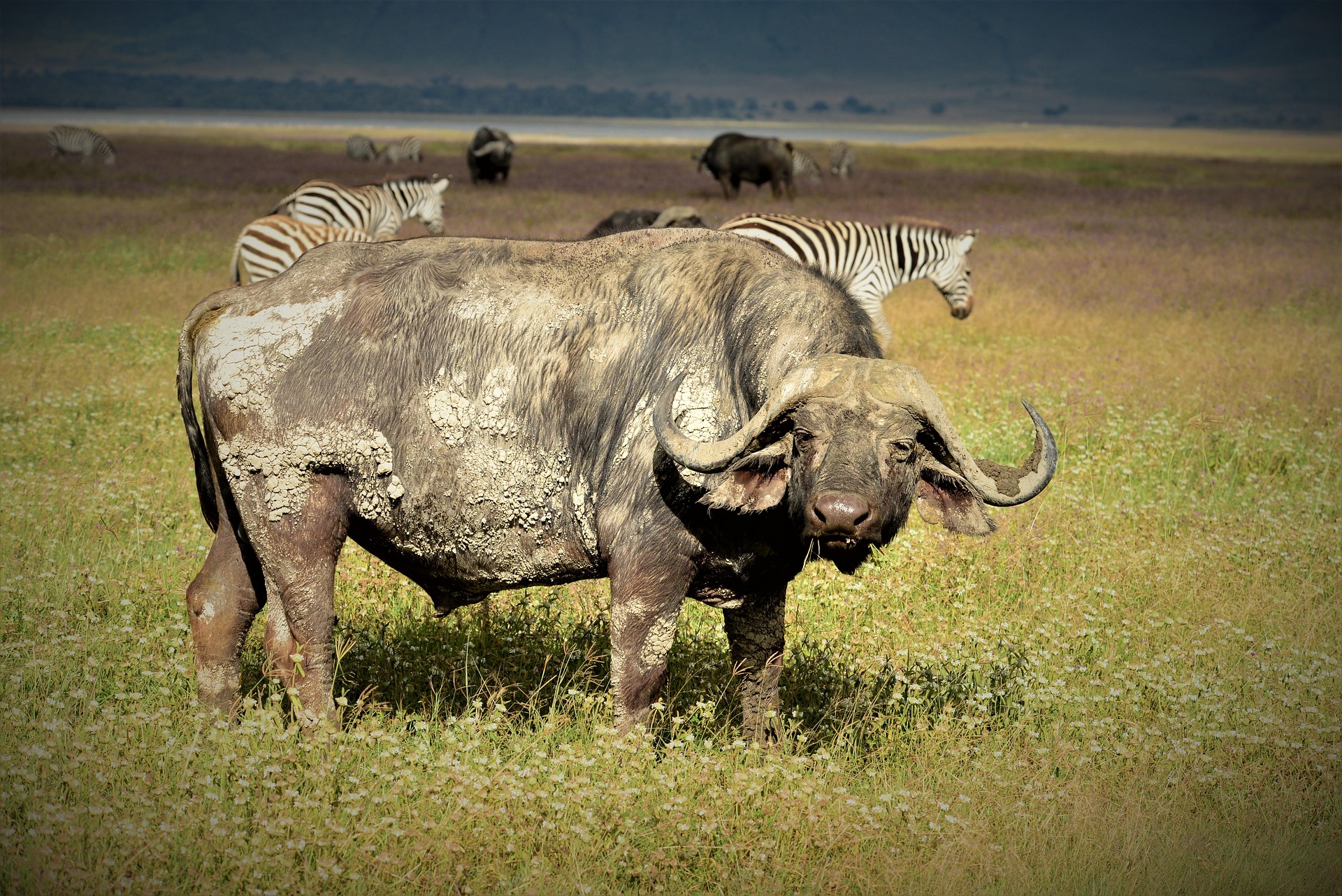
Grassland and swamp edges
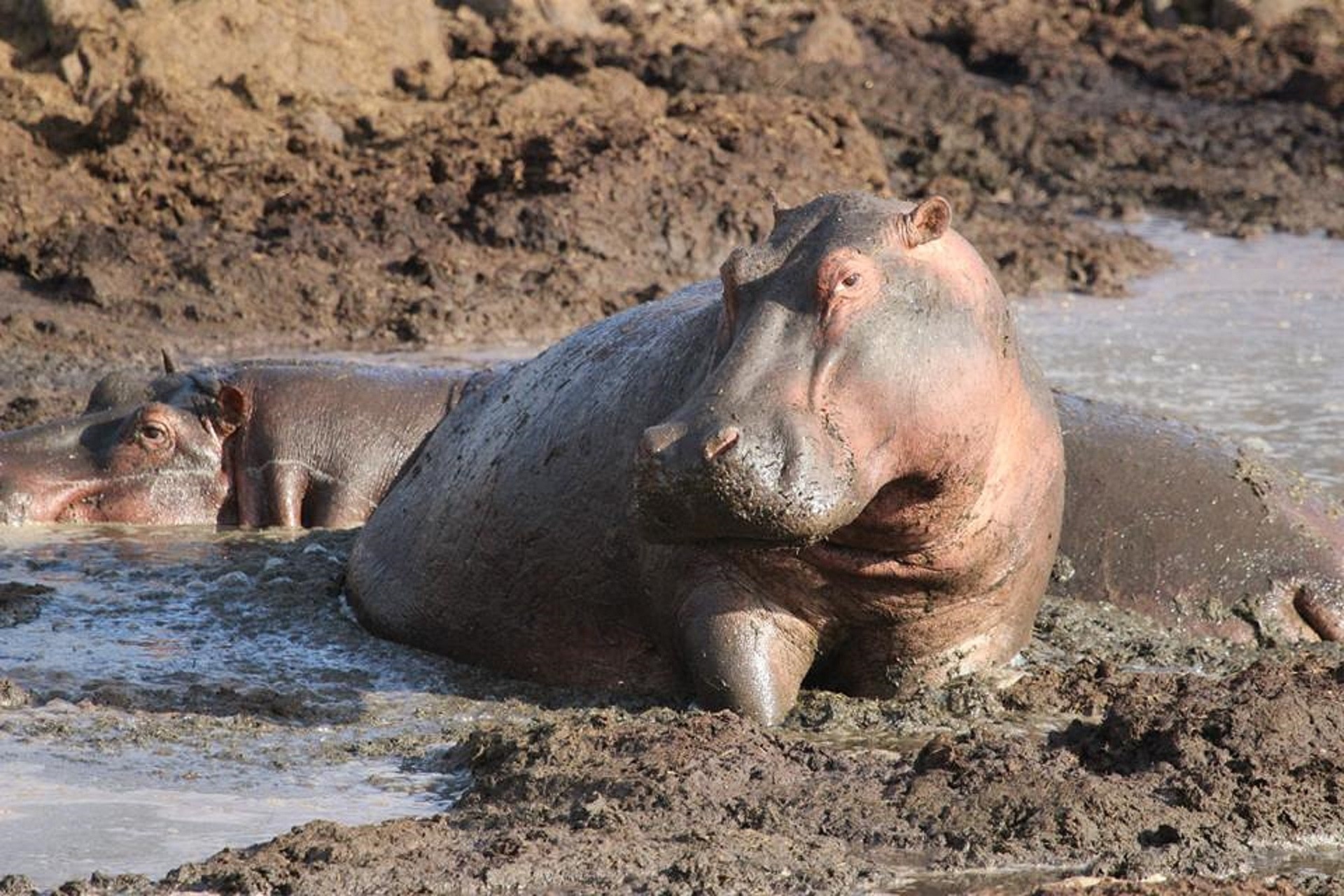
Pools on the floor
Lake Magadi, when the water suits
Resident herds on the floor
Ngorongoro Crater
One full day on the crater floor is enough for most people. It is usually combined with a night nearby on the rim or in the highlands, so you can start early.
Possibly, but it cannot be promised. The crater has a small population of black rhino, and they are often seen at a distance. A good guide and binoculars help.
It can be, especially from July to September, because vehicles share the same roads on the floor. Starting early makes the biggest difference.
The rim is high and often misty, and early mornings from June to August can be close to freezing. The floor is warmer. Bring a warm layer whatever the month.
Yes. Two days covering Tarangire and the Ngorongoro Crater is the minimum safari we think is worth doing after Kilimanjaro.