
Usually Jul–Oct
Northern Serengeti
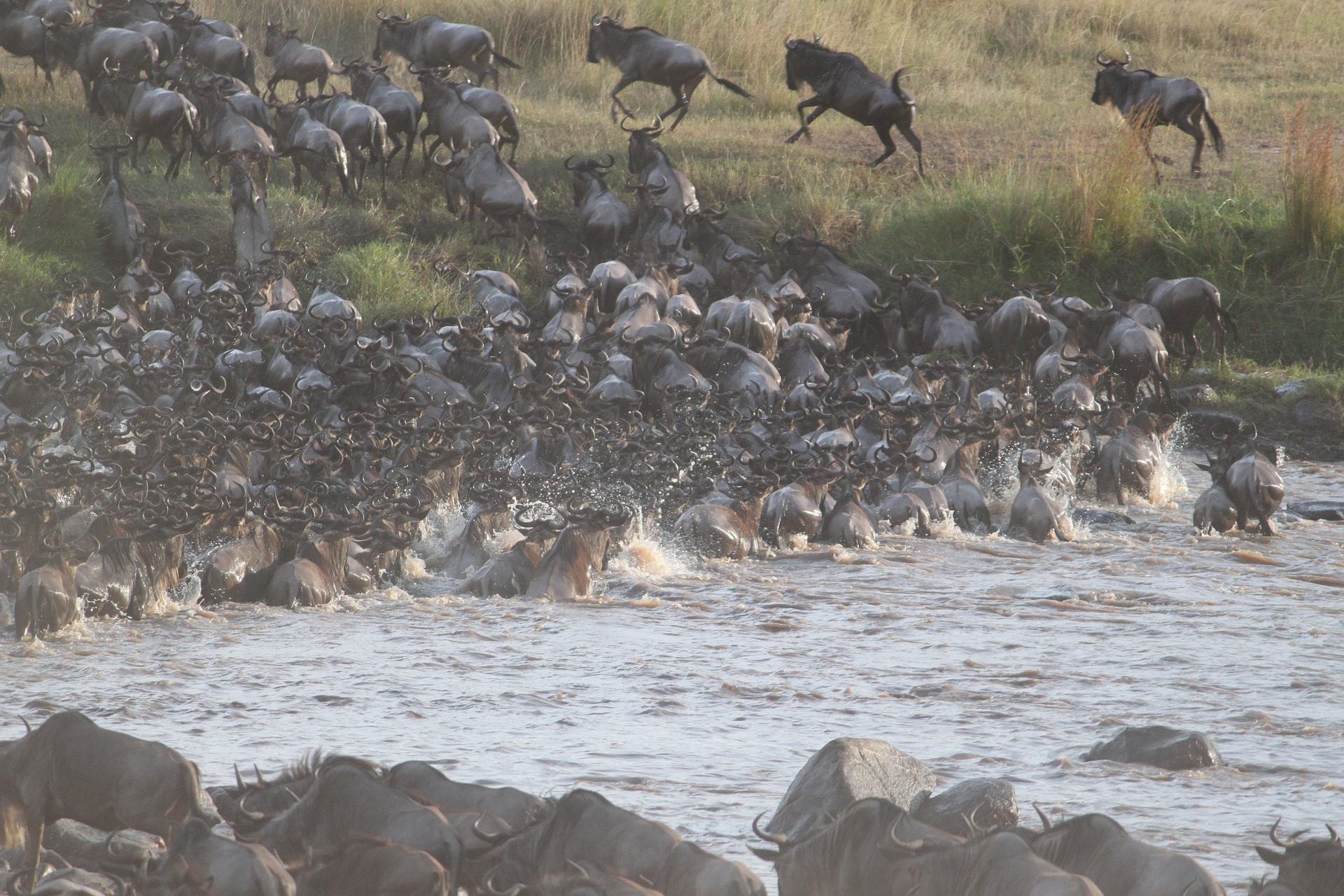
Remote and hilly, running up to the Kenyan border. When the herds are here they are often crossing the Mara River, which is the scene most people picture.
Tanzania safari
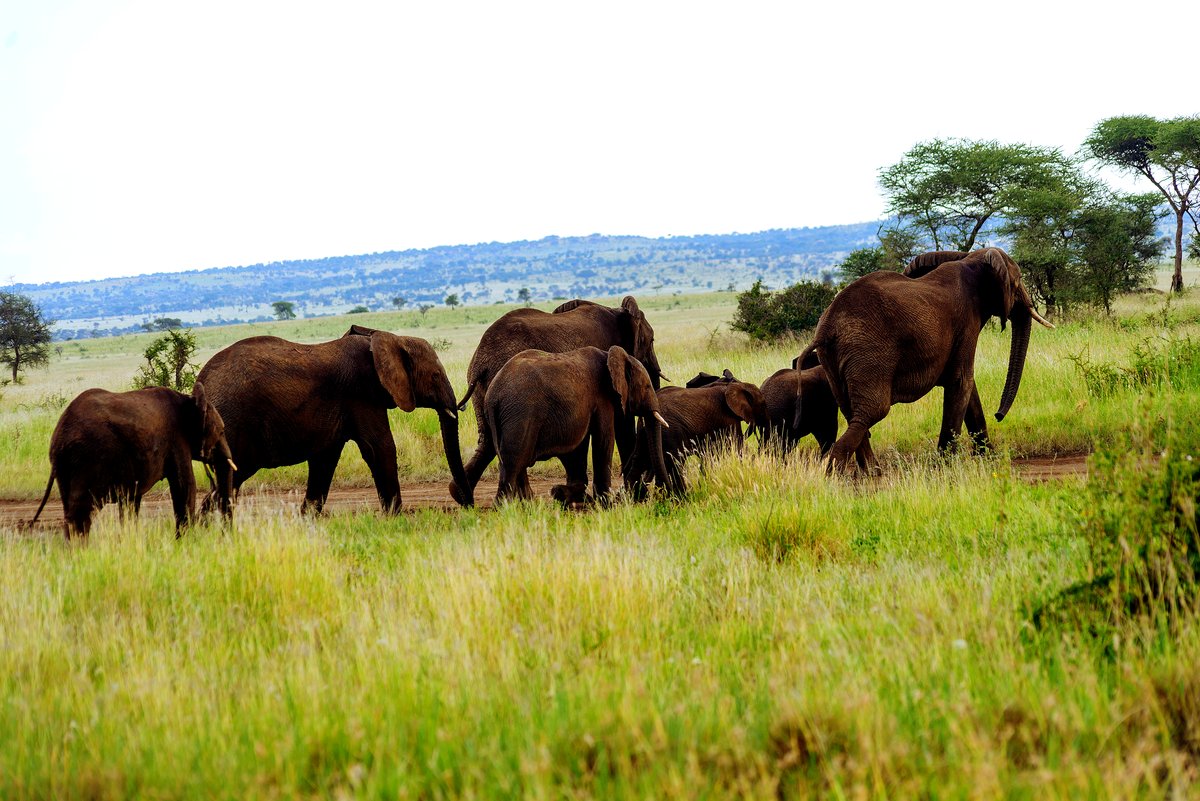
Open grassland to the horizon, resident big cats, and a migration that is somewhere in the park every month of the year.
The Serengeti is not one place. Where you stay should depend on the month.
Wide grassland in the south, river woodland in the west, rocky kopjes in the middle and the Mara River in the north. The herds move through all of it over the year, and the big cats stay put.
Where to stay
Choosing the right area for your month matters more than choosing the right lodge.
Usually Jul–Oct
Remote and hilly, running up to the Kenyan border. When the herds are here they are often crossing the Mara River, which is the scene most people picture.
Usually May–Jul
A long finger of land reaching towards Lake Victoria along the Grumeti River. The herds typically pass through at the start of the dry season.
Year round
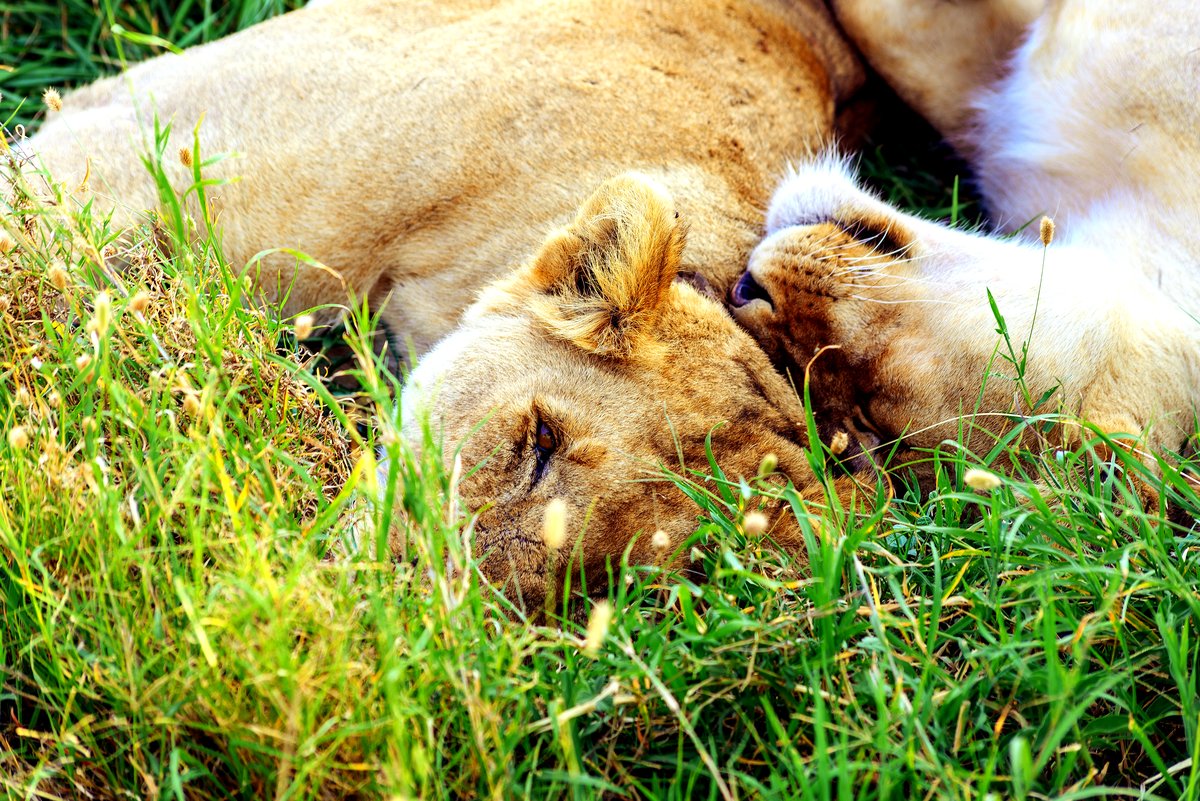
Around Seronera: rivers, kopjes and resident animals that do not migrate, which makes it a dependable choice in any month and good country for big cats.
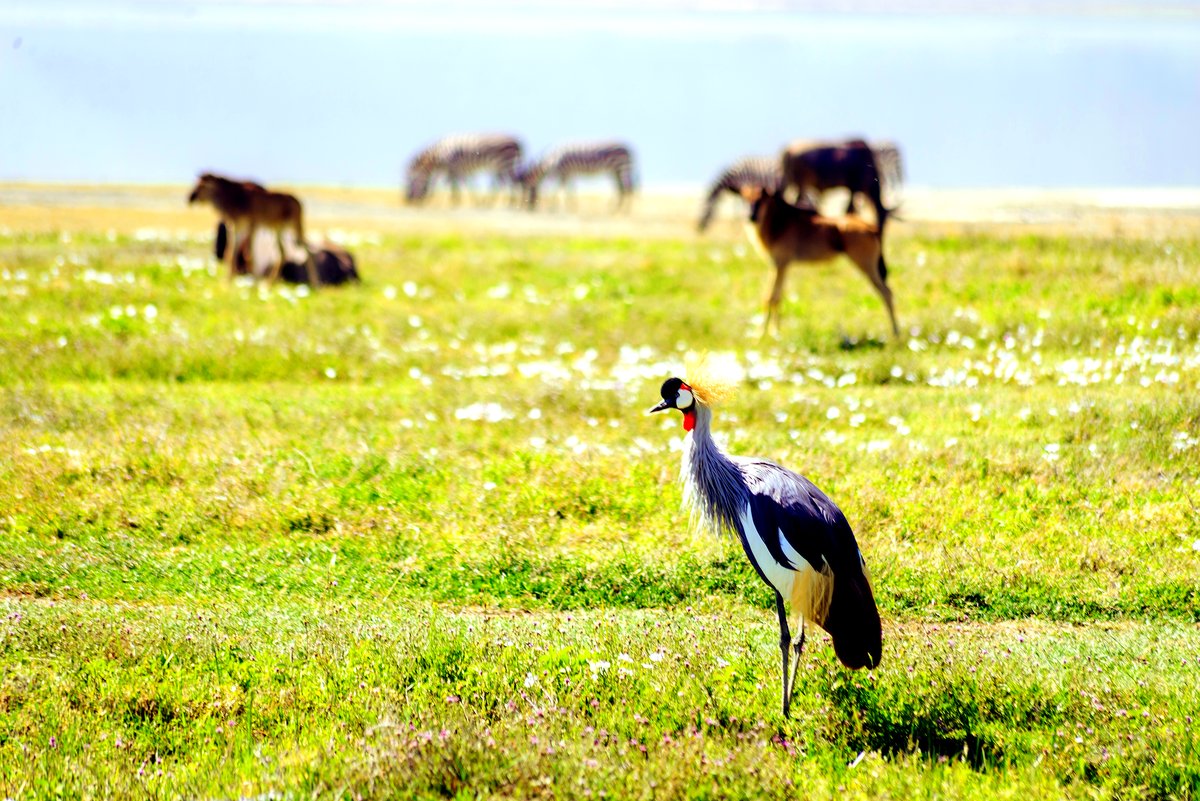
Usually Dec–Mar
Short-grass plains towards the Ngorongoro highlands. Calving usually happens here early in the year, and the predators follow.
Experiences
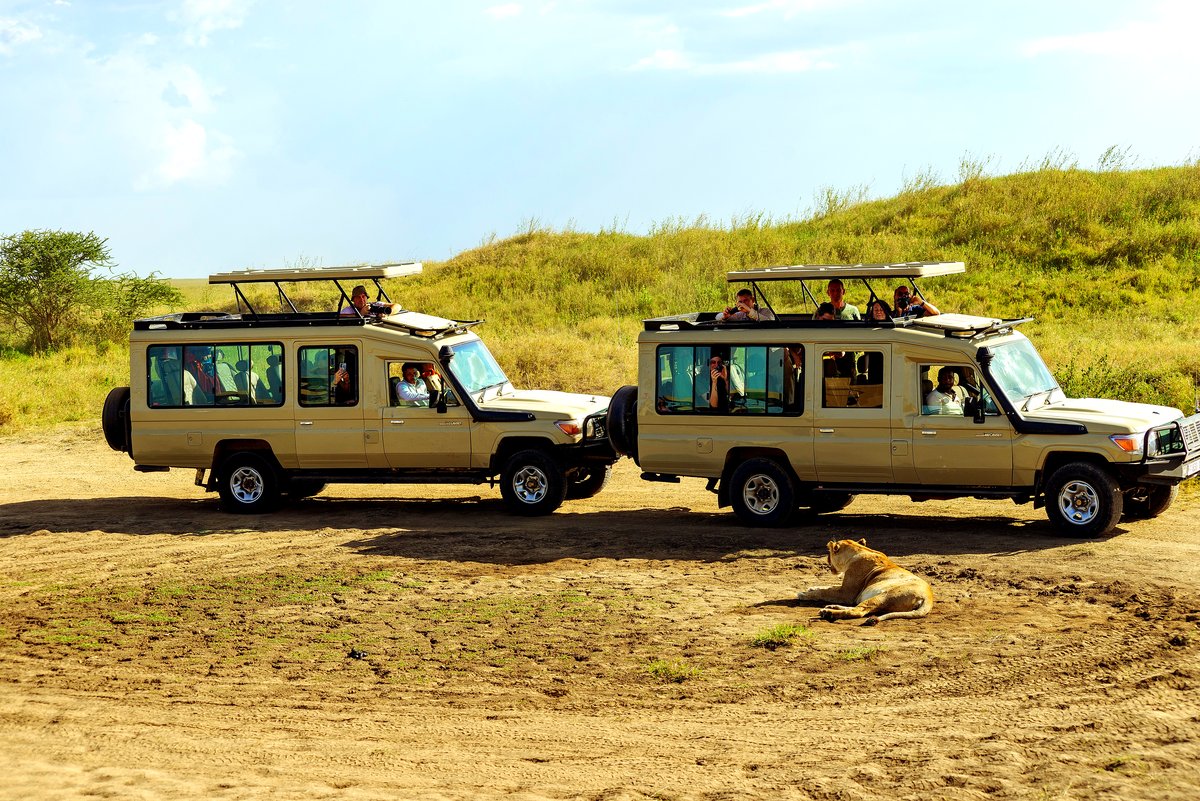
The way almost everyone sees the Serengeti: early morning and late afternoon, when animals are most active, with the middle of the day to rest.
Guided walks are permitted in some parts of the park with an armed ranger. Slower, closer to the ground, and a different way to read the landscape.
Dawn flights run over parts of the park at extra cost. Ask us if you want one included when we plan the safari.
Scale. Open grassland to the horizon, and a migration of wildebeest and zebra that is moving somewhere in the park in every month of the year.
The far north and the Western Corridor see far fewer vehicles than the centre. They take longer to reach, which is exactly why they are quieter.
Distance. Driving in and out takes most of a day each way, so a short safari that includes the Serengeti spends much of its time on the road.
When to go
The pattern repeats every year, but the rains move it by weeks either way. Treat this as a guide, not a timetable.
January
The herds are typically on the short-grass plains in the south, and calving usually begins.
February
Often the peak of calving in the south, with predators close behind. Green, warm and busy with young animals.
March
The herds usually stay in the south as the long rains begin. Fewer vehicles, and some tracks get harder going.
April
Typically the wettest month. Herds start to move north-west; some camps close. Quiet and green.
May
The rains usually ease and the herds head towards the Western Corridor, often in long columns.
June
The dry season begins and the herds are typically in the west, around the Grumeti River.
July
The herds usually push north. River crossings in the far north can begin late in the month.
August
Often the peak of the crossings in the northern Serengeti. Dry, clear, and the busiest month.
September
The herds are usually still in the north, with crossings back and forth across the river.
October
The end of the dry season. The herds typically begin to drift south again.
November
Afternoon showers return and the herds move down through the east and centre of the park.
December
The herds usually arrive back on the southern plains, ready for calving in the new year.
Wildlife
No guide can promise a sighting. These are the animals the park is best known for.
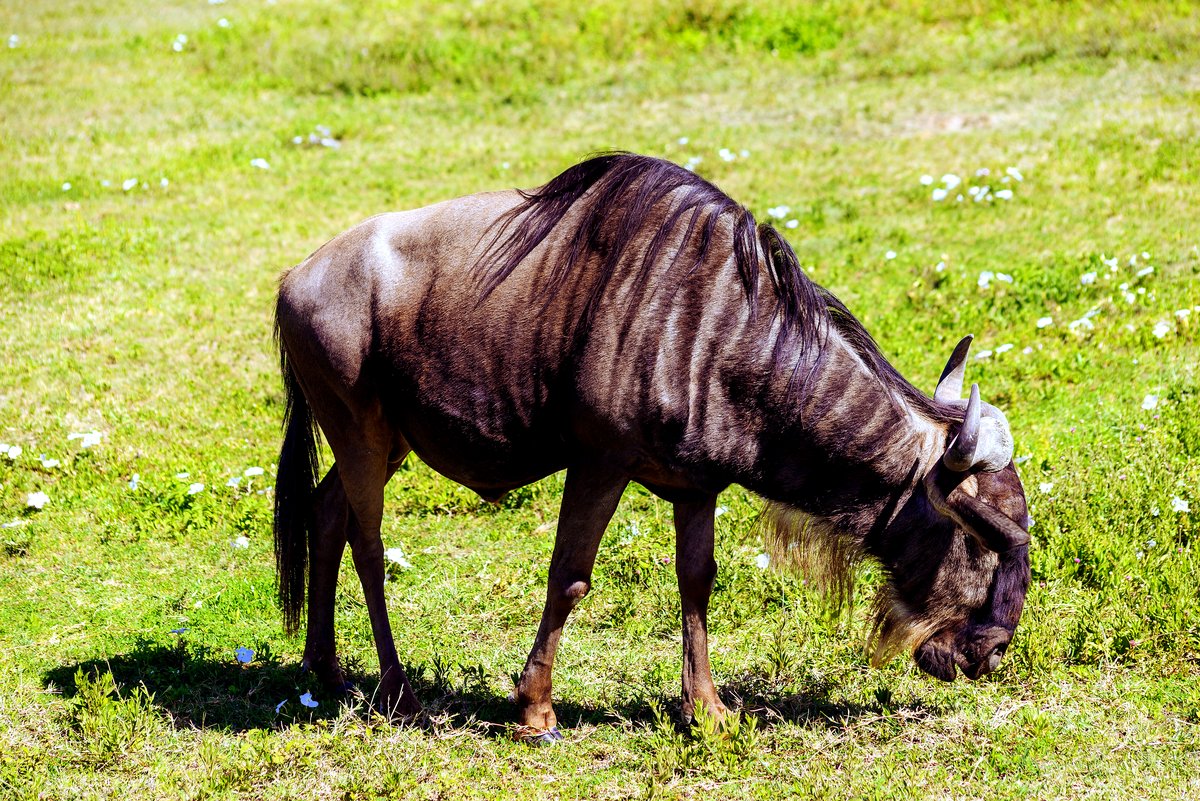
Moving with the rains, all year
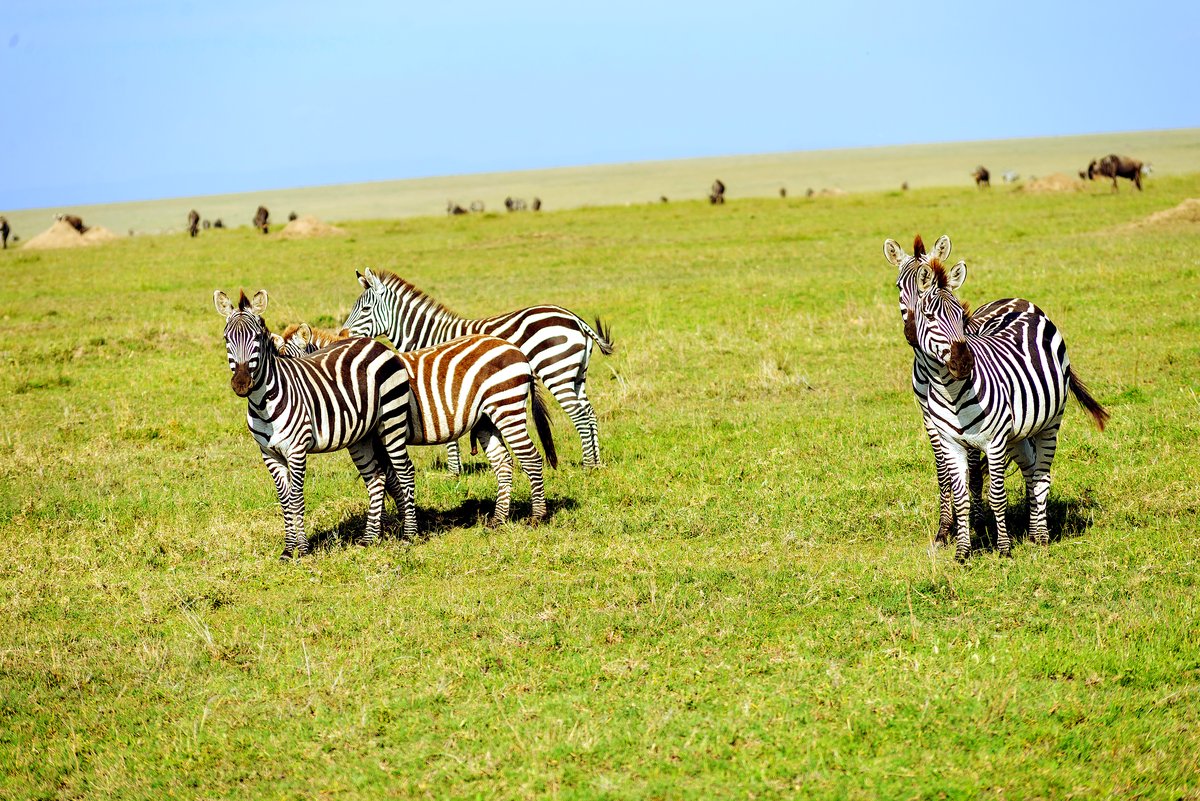
Travelling alongside the herds
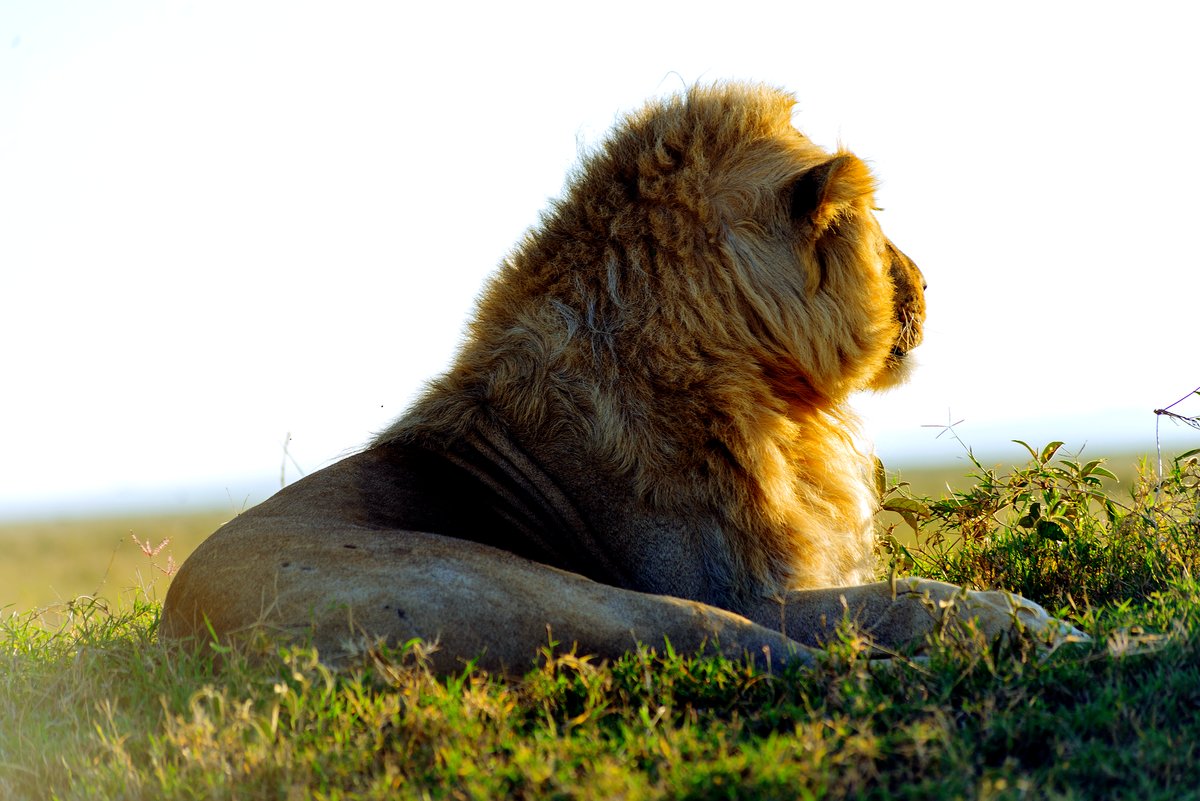
Resident, especially in the centre
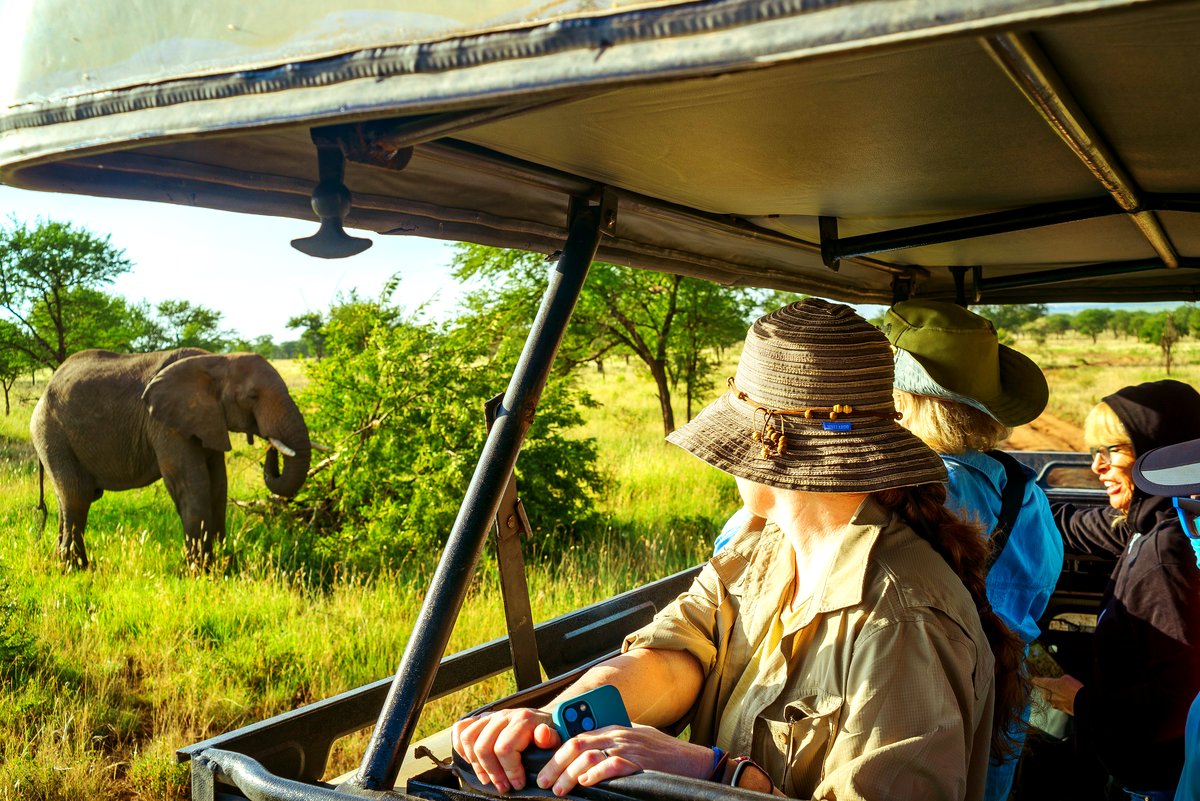
Woodland and river country
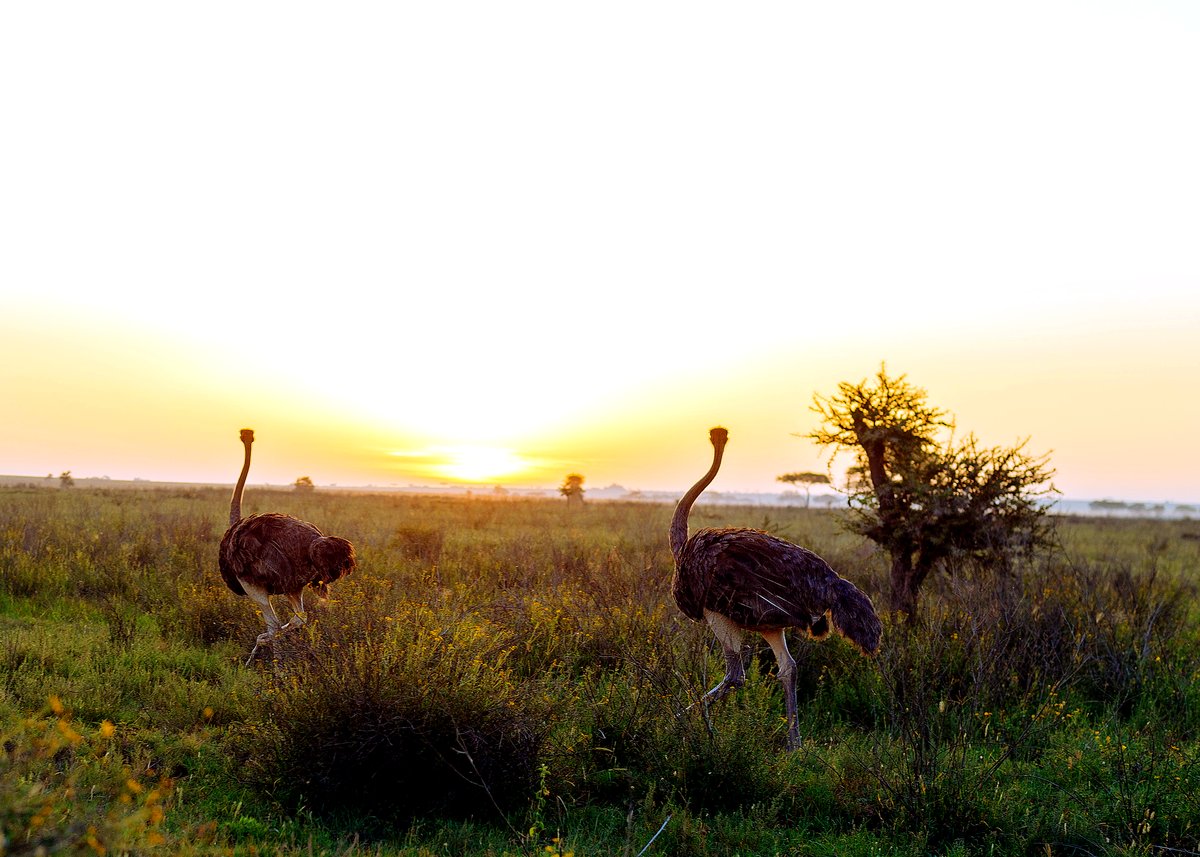
Open plains
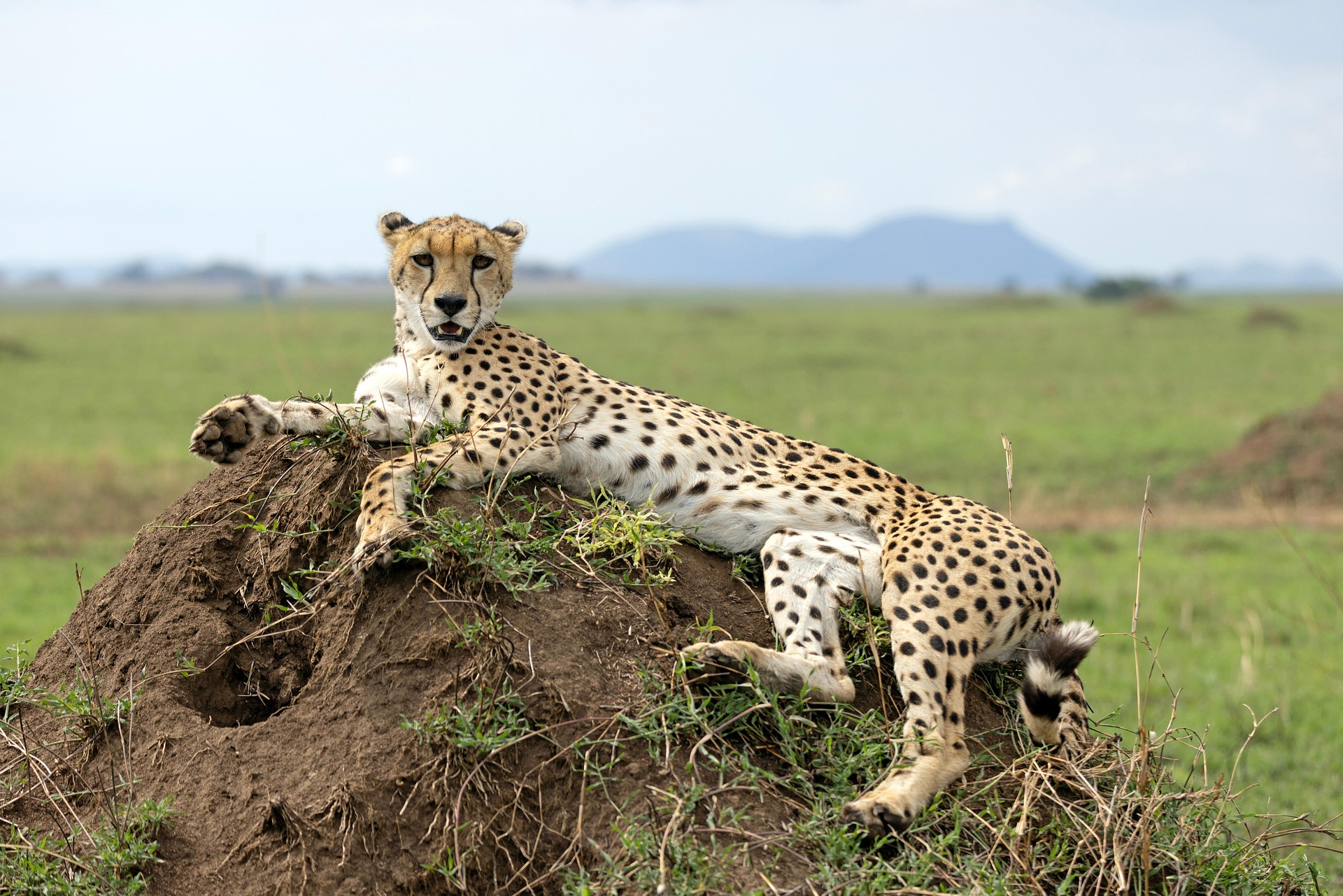
Plains and kopjes; leopard is elusive
Serengeti
Four days of safari is the first length at which the Serengeti is more than a long drive, because reaching it from Arusha takes most of a day. Five or more lets you stay in one area rather than moving camp.
Usually between July and October in the northern Serengeti, most often in August and September. Crossings depend on the herds and the rains, so no date can be guaranteed — but staying in the north for several nights in that window gives you the best chance.
Yes. The central Serengeti has resident animals, including big cats, all year. The migration adds numbers; it is not the only reason to go.
Yes, and most people do. The crater sits on the road between Arusha and the Serengeti, so it fits naturally on the way in or out.
After. A safari is mostly sitting down, which is what your body wants after the mountain. If you are adding Mount Meru for acclimatisation, Meru comes first and the safari still comes last.