
Porter welfare
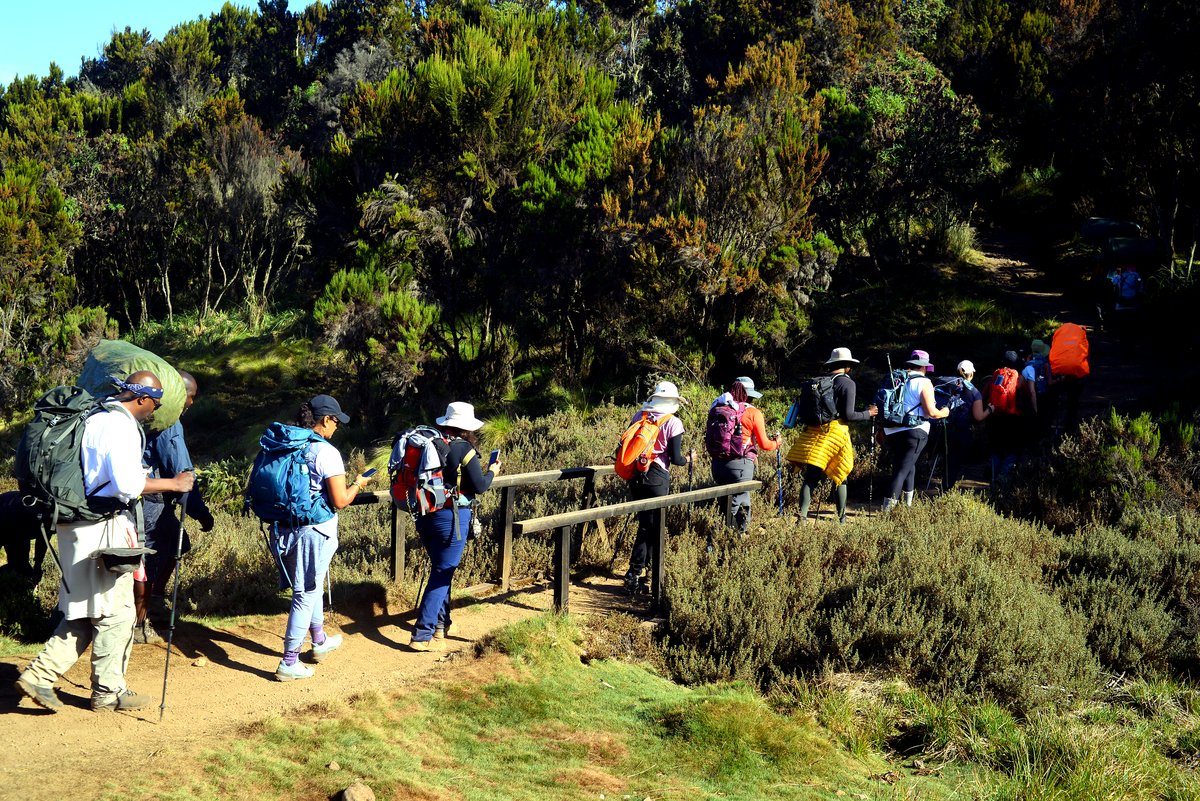
Porters carry the mountain. How they are paid, fed, equipped and insured is one of the clearest signals of how an operator actually works.
KPAP Partner for Responsible Travel — published minimum crew wages
The Kilimanjaro Porters Assistance Project (KPAP), implemented through the Partner for Responsible Travel Programme, publishes minimum wage commitments for participating partner companies. These are base wages paid by the operator—not tips collected from clients.
KPAP also requires participating partners to pay salaries within two days after descent, use a transparent tipping procedure, provide adequate porter numbers, provide three meals per day for crew, and provide proper shelter and equipment.
| Mountain crew role | KPAP published minimum base wage | 8-day example | 7-day example |
|---|---|---|---|
| Lead / Head Guide | TZS 40,000 per day | TZS 320,000 minimum | TZS 280,000 minimum |
| Assistant Guide | TZS 30,000 per day | TZS 240,000 minimum | TZS 210,000 minimum |
| Cook | TZS 30,000 per day | TZS 240,000 minimum | TZS 210,000 minimum |
| Porter | TZS 20,000 per day | TZS 160,000 minimum each | TZS 140,000 minimum each |
Porter loads & minimum staffing principles
KPAP partner standards address more than money. The published Partner for Responsible Travel commitments state that a porter should carry no more than 20 kg of company gear. They also specify at least three porters per climber on camping routes and at least two porters per climber on the Marangu route as a minimum staffing principle. Actual crew size can be higher depending on group size, route, food, tents, safety equipment, private toilet service and other expedition requirements.
- Porters must receive three adequate meals per day.
- Crew must have proper shelter, sleeping arrangements and appropriate mountain gear.
- Sick or injured porters must be properly cared for.
- The exact crew list should be communicated to climbers before or at the pre-climb briefing.
Wages are included; tips are separate
TrekUp treats crew wages as an operating cost of the expedition. A client tip does not replace the operator’s responsibility to pay the crew. Tipping is customary on Kilimanjaro and is an important supplement to crew income, but it should be handled transparently and should reflect the service received.
A Kilimanjaro climb is carried up the mountain by people. A typical group of two climbers is supported by a crew several times its size, and almost all of that crew are porters, moving tents, food, water and your duffel bag between camps — usually faster than you, usually while you are still eating breakfast.
How those people are treated is the part of the industry a client sees least and influences most, because it is paid for out of the price you agreed months earlier.
Where the problems occur
- Overloading. The park sets a maximum load per porter and weighs bags at the gate. Loads are still redistributed above the gate, and a porter carrying more than the limit is carrying it for the whole week.
- Underpayment and wage deductions. Daily rates vary between operators. Deductions, delayed payment and tips withheld or skimmed by intermediaries are all documented problems.
- Tips treated as wages. Where a company's rate is low, tips stop being a thank-you and become the income. That shifts the employer's cost onto the client at the end of the trip.
- Food and shelter. Porters sleeping in mess tents, eating fewer meals than clients, or without proper sleeping mats at 4,000 m.
- Clothing and boots. Porters are on the same mountain in the same weather. Inadequate footwear and outerwear at altitude is the most common cause of serious injury among crew.
- Illness. Crew get altitude sickness too, and are far less likely to report it if reporting it costs them the work.
What you can do as a climber
Ask the questions before you book, not on the mountain — by then the wage was set months ago. Ask what porters are paid per day by the company, before tips. Ask how many meals they receive. Ask what sleeping equipment they are issued and whether they are provided with boots and a jacket. Ask what the load limit is and who checks it after the gate.
Then compare the price. A climb priced substantially below the market cannot pay park fees, salaries, food and equipment out of the same money. The saving is coming from somewhere, and it is almost always coming from the crew.
Tipping
Tips are customary and expected on Kilimanjaro, and they are a real part of crew income. They are not a substitute for a fair wage. A good operator will tell you what its crew are paid and give you clear tipping guidance, without the second doing the work of the first. Our full guidance is on the tipping page.
Where wages sit in the price
Crew pay is one part of what a climb costs. The park fees, the rest of the cost breakdown and the tipping guidance are published alongside it.