7 Days Rongai Route
The quiet northern approach
- 7 days
- Duration
- 5,895 m
- Highest point
- Moderately challenging
- Difficulty
- Rongai
- Route
- Rongai Gate → Marangu Gate
- Start / finish
Overview
Approaching Kilimanjaro close to the Kenyan border, Rongai offers a quieter perspective of the mountain and a gradual early profile. The route crosses the Saddle toward Kibo Hut and descends via Marangu, creating a satisfying north-to-southeast traverse.
This trip is best for
- Climbers seeking a quieter trail, northern scenery and a route that is often relatively sheltered from southern-slope rainfall.
The altitude profile
Circles mark where you sleep. Those are the altitudes that decide how you feel, not the high points you walk over during the day.
| Day | Location | Altitude (m) | Distance (km) | Overnight |
|---|---|---|---|---|
| 1 | Rongai Gate | 1,950 | 0 | No |
| 1 | Simba Camp | 2,625 | 8 | Yes |
| 2 | Second Cave | 3,450 | 14 | Yes |
| 3 | Kikelewa Camp | 3,600 | 20 | Yes |
| 4 | Mawenzi Tarn | 4,330 | 25 | Yes |
| 5 | Kibo Hut | 4,700 | 33 | Yes |
| 6 | Uhuru Peak | 5,895 | 43 | No |
| 6 | Horombo Hut | 3,720 | 53 | Yes |
| 7 | Marangu Gate | 1,860 | 73 | No |
Day by day
01
Rongai Gate to Simba Camp
-
1,950 m → 2,625 m
-
8 km
-
4–5 hrs
-
Forest / heath
↑ 675 m gained
Rongai Gate to Simba Camp
- 1,950 m → 2,625 m
- 8 km
- 4–5 hrs
- Forest / heath
- From
- Rongai Gate
- To
- Simba Camp
- Sleeping altitude
- 2,625 m (8,612 ft)
- Highest point
- 2,625 m
02
Simba Camp to Second Cave
-
2,625 m → 3,450 m
-
6 km
-
3–4 hrs
-
Heath
↑ 825 m gained
Simba Camp to Second Cave
- 2,625 m → 3,450 m
- 6 km
- 3–4 hrs
- Heath
- From
- Simba Camp
- To
- Second Cave
- Sleeping altitude
- 3,450 m (11,319 ft)
- Highest point
- 3,450 m
03
Second Cave to Kikelewa Camp
-
3,450 m → 3,600 m
-
6 km
-
3–4 hrs
-
Moorland
↑ 150 m gained
Second Cave to Kikelewa Camp
- 3,450 m → 3,600 m
- 6 km
- 3–4 hrs
- Moorland
- From
- Second Cave
- To
- Kikelewa Camp
- Sleeping altitude
- 3,600 m (11,811 ft)
- Highest point
- 3,600 m
04
Kikelewa to Mawenzi Tarn
-
3,600 m → 4,330 m
-
5 km
-
4–5 hrs
-
Alpine desert
↑ 730 m gained
Kikelewa to Mawenzi Tarn
- 3,600 m → 4,330 m
- 5 km
- 4–5 hrs
- Alpine desert
- From
- Kikelewa
- To
- Mawenzi Tarn
- Sleeping altitude
- 4,330 m (14,206 ft)
- Highest point
- 4,330 m
05
Mawenzi Tarn to Kibo Hut
-
4,330 m → 4,700 m
-
8 km
-
5–6 hrs
-
Alpine desert
↑ 370 m gained
Mawenzi Tarn to Kibo Hut
- 4,330 m → 4,700 m
- 8 km
- 5–6 hrs
- Alpine desert
- From
- Mawenzi Tarn
- To
- Kibo Hut
- Sleeping altitude
- 4,700 m (15,420 ft)
- Highest point
- 4,700 m
06
Kibo Hut to Uhuru Peak to Horombo Hut
-
4,700 m → 3,720 m
-
20 km
-
12–16 hrs
-
Arctic summit to moorland
↑ 1,195 m gained
↓ 2,175 m descended
Sleeps 3,720 m
Kibo Hut to Uhuru Peak to Horombo Hut
- 4,700 m → 3,720 m
- 20 km
- 12–16 hrs
- Arctic summit to moorland
- From
- Kibo Hut
- To
- Horombo Hut
- Sleeping altitude
- 3,720 m (12,205 ft)
- Highest point
- 5,895 m
07
Horombo Hut to Marangu Gate
-
3,720 m → 1,860 m
-
20 km
-
5–7 hrs
-
Moorland / rainforest
Horombo Hut to Marangu Gate
- 3,720 m → 1,860 m
- 20 km
- 5–7 hrs
- Moorland / rainforest
- From
- Horombo Hut
- To
- Marangu Gate
- Sleeping altitude
- 1,860 m (6,102 ft)
- Highest point
- 1,860 m
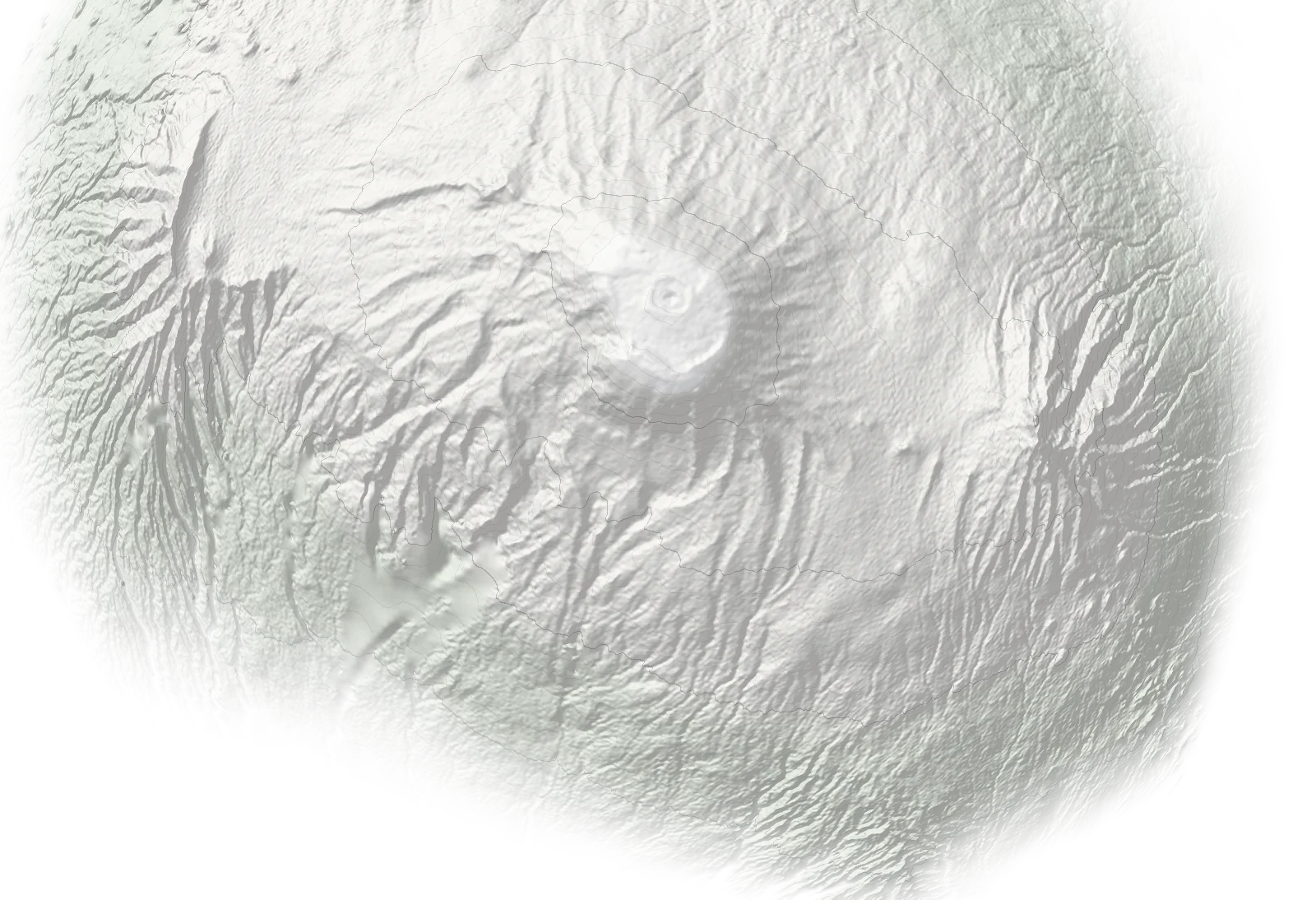
Route map
Where this itinerary goes, night by night. Every camp and altitude on the map is the one in the day-by-day above.
What is and is not included
What is included
Transfers
- Airport pick-up and drop-off - Kilimanjaro International Airport (JRO) to/from your hotel
- Private transfers to/from the mountain gate - Hotel to Kilimanjaro trailhead and exit gate to hotel
Meals & water
- Pre & post-climb accommodation - 2 nights in Moshi (1 night before and 1 night after the climb) on Bed & Breakfast basis
- Three freshly prepared meals per day on the mountain - breakfast, lunch and dinner
- Nutritious snacks during the trek
- Clean, purified drinking water throughout the climb
- Hot water for washing each morning and evening where practical
Permits & park fees
- Kilimanjaro National Park entrance fees
- Camping fees / Hut fees - depending on the selected route
- All applicable government taxes & VAT
- Kilimanjaro summit certificate for successful climbers
Safety equipment
- Kilimanjaro National Park rescue fees
- Emergency supplemental oxygen
- Pulse oximeter for monitoring blood oxygen saturation and pulse during the climb
- First-aid kit and mountain emergency equipment
- Daily health monitoring by the mountain guide
- 24/7 emergency communication support between the mountain team and operations office
Guides & crew
- Professional, licensed English-speaking Kilimanjaro mountain guide
- Assistant mountain guides - according to group size
- Professional mountain chef/cook
- Porters - to carry group equipment, food and clients permitted duffel luggage
- All mountain crew wages and salaries
- Cooking tent and complete camp equipment
- Private portable flush/chemical toilet with dedicated toilet tent and porter - throughout the trek on camping routes
Camping equipment
- Quality four-season mountain tents - on camping routes
- Comfortable sleeping mattresses
- Dining/mess tent with tables and chairs
Also included
- Pre-climb briefing and equipment check
- All logistical and operational support throughout the expedition
What is not included
- International and domestic flights
- Tanzania entry visa
- Travel and medical insurance - clients should have appropriate coverage for high-altitude trekking up to at least 6,000 metres
- Helicopter/air evacuation or specialist medical evacuation unless specifically included by the client insurance policy
- Personal trekking equipment and clothing, including hiking boots, sleeping bag, down jacket, trekking poles, daypack and other personal gear
- Equipment rental, unless specifically included in the quotation
- Tips/gratuities for mountain guides, assistant guides, cook and porters
- Lunch and dinner at the hotel before or after the climb unless specified
- Soft drinks, alcoholic beverages and bottled drinks outside those specifically included
- Personal snacks and energy bars brought by the client
- Laundry services
- Telephone calls, SIM cards, internet/data charges and other communication expenses
- Additional hotel nights or transfers caused by flight changes, early arrival or late departure
- Single-room or single-tent supplement, where applicable
- Extra porter required for luggage exceeding the permitted mountain weight
- Personal expenses such as souvenirs and shopping
- Any activities, accommodation, meals, transfers or services not specifically stated in the itinerary
- Costs arising from itinerary changes requested by the client or circumstances outside the company control
Dates and prices
| Party size | Per person |
|---|---|
| 1 climber Private Solo Expedition — Maximum privacy. | US$3,115 |
| Party size | Per person |
|---|---|
| 2–4 climbers Small Group Rate — Shared value. | US$2,870 |
| 5–7 climbers Group Discount Rate — Preferred group rate. | US$2,625 |
| 8–10 climbers Best Group Rate — Best value per climber. | US$2,450 |
This climb runs on your dates
There is no fixed departure calendar for this itinerary — it runs as a private climb whenever suits you, which for most parties is the better arrangement anyway.
Ask about your datesIf you would rather join an existing group on a fixed date, our scheduled departures run on the Lemosho and Machame routes, each built around a full moon or an event summit.
These are the scheduled dates for this itinerary. See every group departure across all our routes, or ask about your own dates.
What to bring
You will walk through five climate zones in a week, from humid rainforest to sub-zero arctic. Layering is the whole strategy — no single garment solves it.
US$2,450